Altitude Advantages: Spotting Endurance Edges in High-Elevation Football Contests
Amir Richter · Jul 11, 2026
Altitude Advantages: Spotting Endurance Edges in High-Elevation Football Contests
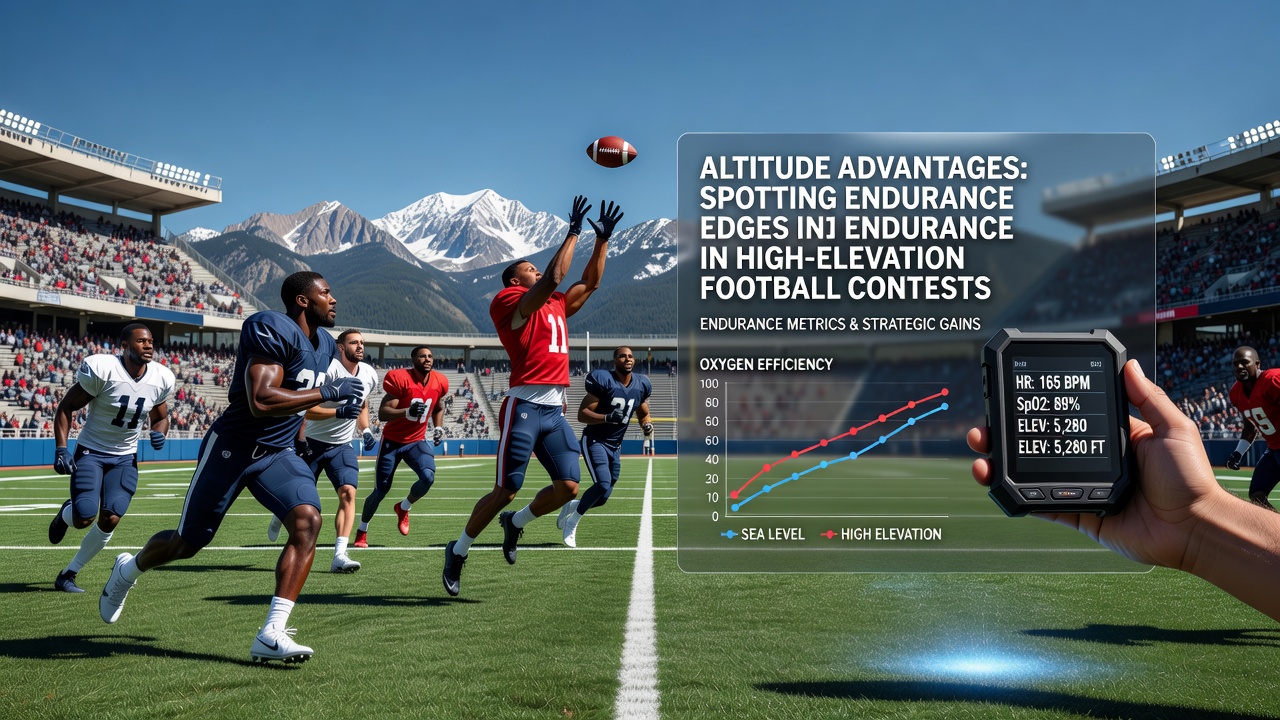
High-elevation venues create distinct physiological demands that reshape how teams prepare and perform during football contests, and observers note these conditions often favor squads with prior exposure to reduced oxygen levels. Research from sports science institutions shows that air pressure drops significantly above 2,500 meters, which reduces oxygen availability and forces the body to adapt through increased red blood cell production over time. Those who've studied this phenomenon know that visitors from sea level frequently experience early fatigue while home sides maintain higher work rates into the later stages of matches.
Physiological Demands at Elevation
Lower oxygen partial pressure triggers immediate responses such as elevated heart rates and quicker breathing patterns, yet prolonged stays allow the body to produce more hemoglobin and improve oxygen transport efficiency. Studies conducted at universities in South America indicate that athletes who train above 3,000 meters for several weeks develop measurable endurance gains that persist during competition, whereas short-term arrivals show limited adaptation within the first 48 hours. Data from CONMEBOL competitions reveal that matches in cities like La Paz and Quito consistently produce lower average sprint distances for visiting players compared to their highland counterparts, particularly after the 60-minute mark.
Documented Performance Patterns
Football federations across the Andes have tracked results over multiple seasons, and figures show that teams based at altitude secure a higher percentage of victories when hosting lowland opponents. One analysis of Copa Libertadores fixtures between 2018 and 2024 found that visiting sides from below 1,000 meters recorded a 35 percent drop in high-intensity efforts during the second half at venues exceeding 2,800 meters. Players who arrive without structured acclimatization protocols often report heavier legs and reduced recovery between bursts of activity, while local athletes demonstrate steadier pacing throughout the full 90 minutes plus stoppage time.

Preparation and Adaptation Methods
Coaches working with international squads now incorporate staged altitude camps that begin 10 to 14 days before scheduled matches, allowing gradual increases in training load while monitoring blood oxygen saturation. National teams from lower elevations have adopted this approach ahead of qualifiers, and reports from the South American Football Confederation confirm fewer instances of altitude-related medical interventions when such timelines are followed. Meanwhile, clubs in Europe and North America sometimes simulate conditions using hypoxic tents or chambers during domestic preparation phases, although real-world elevation exposure remains the most effective method according to longitudinal studies published in the Journal of Sports Sciences.
Match schedules in July 2026 will include several high-profile encounters at intermediate altitudes as part of ongoing confederation tournaments, giving medical teams additional data points on recovery timelines between games played at varying elevations. Teams that rotate squads strategically during these periods maintain fresher legs, while those relying on the same starting XI across consecutive fixtures encounter steeper declines in output after the initial 45 minutes.
Key Venues and Their Characteristics
Stadiums situated between 2,500 and 3,600 meters present the strongest endurance challenges, with thinner air affecting not only players but also ball flight characteristics that require adjustments in passing and shooting techniques. Goalkeepers and defenders at these sites often note that crosses travel farther adn with less predictable dip, which alters defensive organization in ways that favor attackers accustomed to the conditions. Data compiled by regional governing bodies shows an uptick in set-piece goals during such contests when visiting teams fail to recalibrate their positioning quickly.
Conclusion
High-elevation football contests continue to highlight how environmental factors influence endurance and tactical execution, and organizations ranging from FIFA-affiliated research groups to independent sports physiology labs continue to refine guidelines for safe and effective adaptation. Teams that invest in location-specific preparation protocols gain measurable edges in work rate and decision-making speed during the closing stages of matches, while those who overlook these variables face predictable performance gaps. As global calendars expand to include more cross-continental fixtures, understanding these patterns becomes essential for anyone analyzing outcomes at altitude.