Budget Tax Adjustment Targets Higher-Stakes Machines in Betting Shops
Amir Richter · Oct 30, 2026

Budget Tax Adjustment Targets Higher-Stakes Machines in Betting Shops
The UK Autumn Budget delivered on 28 October 2026 introduced a change to Machine Games Duty, lifting the rate on higher-stakes gaming machines located in betting shops and adult gaming centres from 20% to 25%; observers note that this figure landed below the 40% level some industry voices had anticipated yet still marked a noticeable increase for operators.
Details of the Duty Adjustment
Chancellor John Healey presented the measure as part of broader fiscal planning, and the adjustment applies specifically to machines offering higher maximum stakes while leaving lower-stake categories untouched for the time being; data from previous duty reviews shows that such machines have contributed a steady share of sector revenue over recent years, which explains why the shift drew immediate attention from trade bodies and racing organisations alike.
Warnings from the British Horseracing Authority
The British Horseracing Authority issued a statement highlighting potential downstream effects on its funding streams, pointing out that British racing draws nearly a third of its £350 million annual income from betting shop activity through levy and media rights payments; according to the BHA assessment, the duty increase could trigger hundreds or thousands of shop closures and produce an estimated £57 million yearly shortfall in those payments, a projection derived from modelling shared with the Treasury.
One study of retail betting footprints revealed that many outlets already operate on thin margins, so an additional five percentage points on machine revenue could tip marginal locations into loss-making territory and prompt owners to consolidate or exit entirely; the BHA therefore flagged the risk to racing’s overall financial stability, noting that reduced shop numbers would shrink both direct levy contributions and the volume of media rights deals tied to in-shop viewing.
Industry Modelling from the Betting and Gaming Council
The Betting and Gaming Council commissioned EY to model the same policy change and published figures projecting up to 9,000 job losses alongside roughly 1,000 shops placed at risk of closure in the shorter term; industry analysts at Regulus Partners extended the timeline further, estimating that half of Britain’s existing betting shops might shut over a four-year period once the higher duty takes full effect and operators adjust their estate strategies.
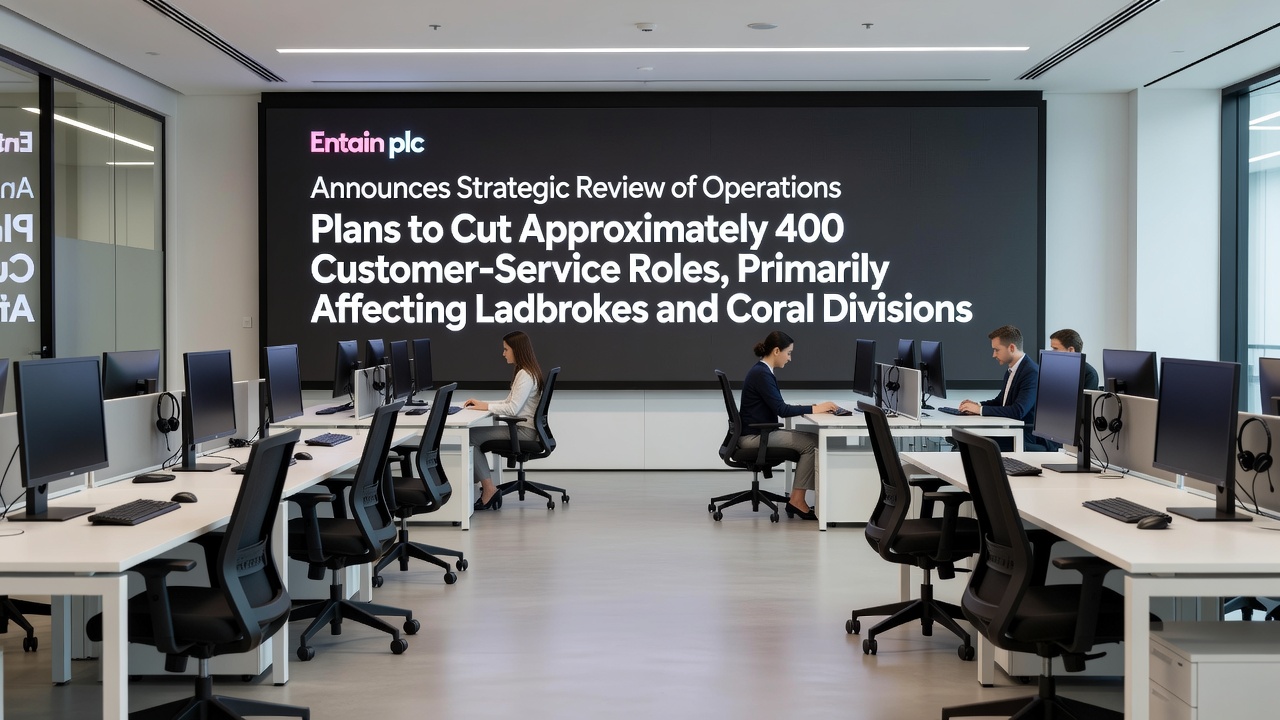
Those projections rest on assumptions about customer migration patterns and revenue displacement, yet the core numbers align across multiple independent forecasts; the BGC emphasised that the combined impact on employment and retail infrastructure would extend beyond the immediate sector into supply chains and local economies that depend on shop footfall.
Revenue Flows to Racing
British racing’s reliance on betting shop contributions stems from long-standing commercial arrangements that bundle media rights with levy payments, creating a direct link between machine performance in high-street outlets and prize-money pools plus fixture funding; when shop numbers decline, both streams contract because fewer locations host race broadcasts and generate taxable turnover subject to the levy; the £57 million figure cited by the BHA therefore represents a composite estimate covering both elements rather than a single payment category.
Operational Adjustments Already Underway
Operators have begun reviewing site-by-site viability, with some groups indicating they will accelerate refurbishment programmes or negotiate revised lease terms in an effort to offset the duty rise; data collected from earlier duty changes demonstrates that such adaptations can moderate but rarely eliminate the full financial pressure when the tax increase exceeds two or three percentage points; analysts tracking the sector note that adult gaming centres face a parallel calculation because they also host higher-stakes machines and draw overlapping customer bases.
Conclusion
The October 2026 budget decision therefore sets in motion a sequence of commercial responses whose scale will become clearer once operators file their first duty returns under the new rate; the BHA, BGC and independent forecasters have each supplied quantitative assessments that converge on significant retail contraction and consequential effects for racing income, while the precise number of closures and job reductions will depend on how quickly customer behaviour adjusts and whether operators can identify offsetting efficiencies within remaining outlets.