Climatic Influences on Northern European Football Strategies and Market Movements
Carlo Günther · Aug 26, 2026
Climatic Influences on Northern European Football Strategies and Market Movements
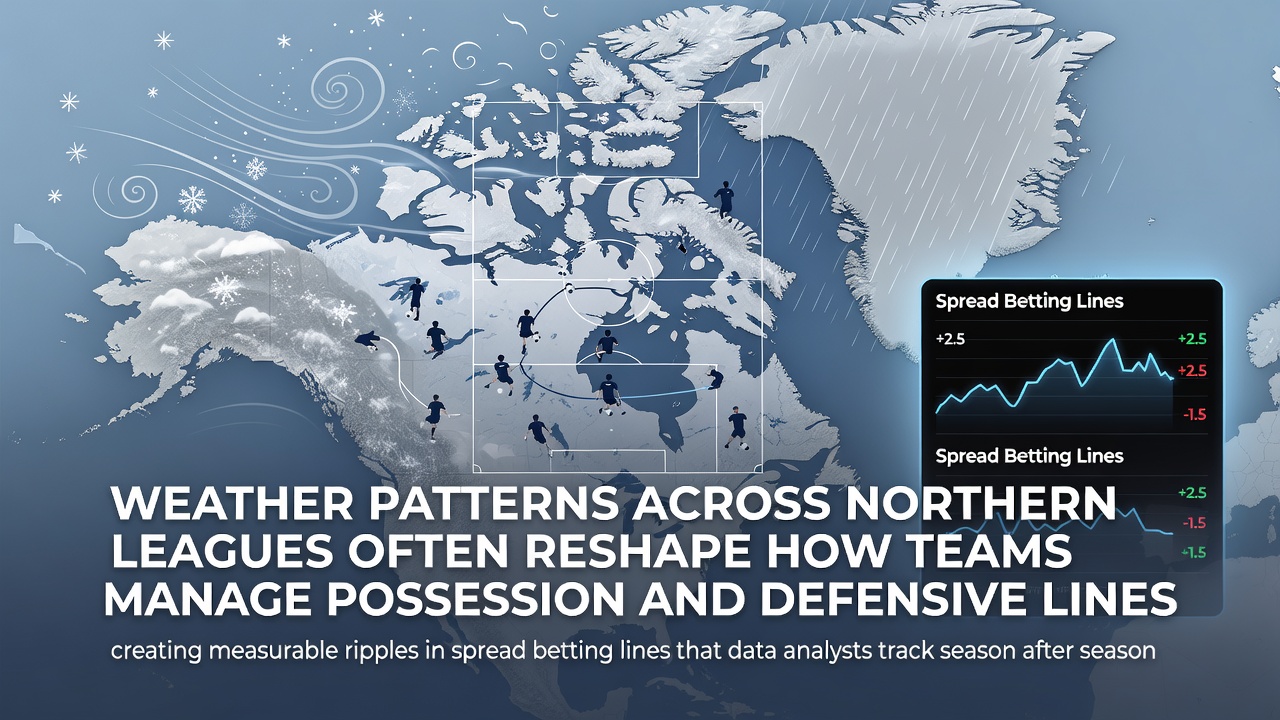
Weather patterns across northern leagues often reshape how teams manage possession and defensive lines, creating measurable ripples in spread betting lines that data analysts track season after season, and these shifts become particularly evident when persistent rain or strong winds sweep through venues in places like Norway, Sweden, and Scotland during the colder months.
Adaptations in Northern League Play
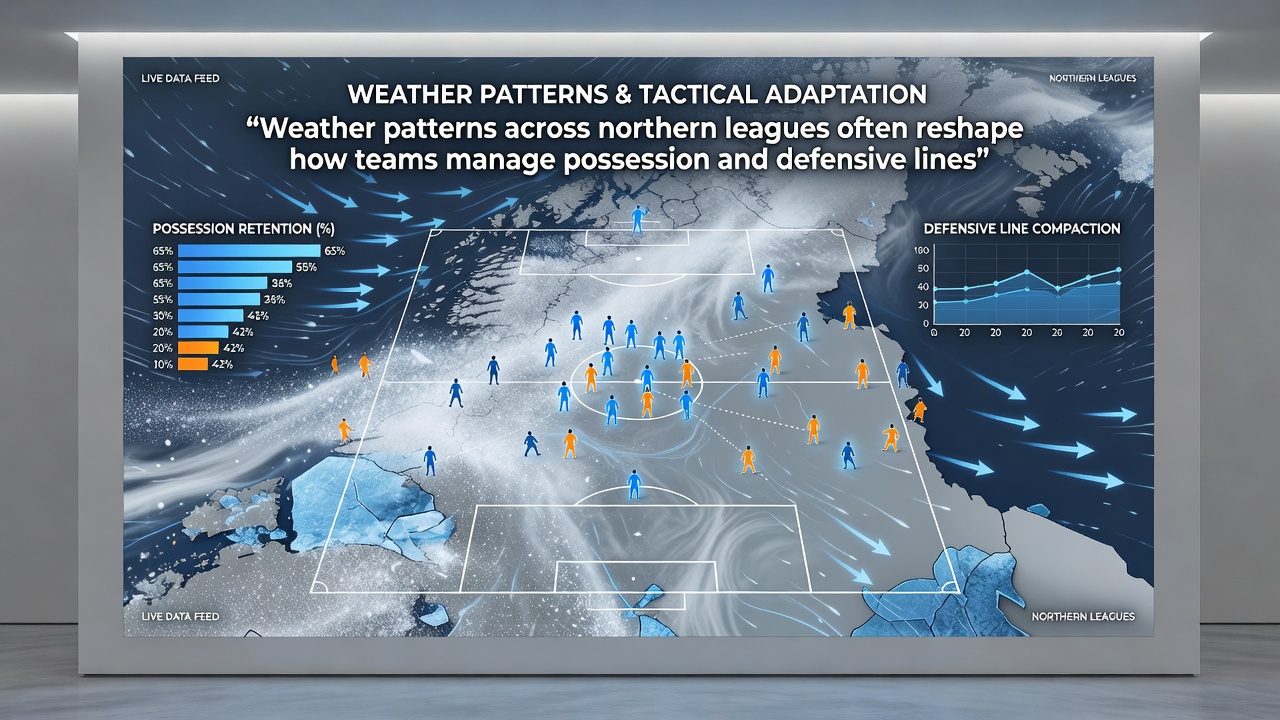
Teams in leagues such as the Norwegian Eliteserien and Swedish Allsvenskan routinely encounter conditions that force adjustments to standard passing rhythms, with coaches directing players toward more direct routes and compact defensive blocks to counter slippery surfaces, while data from multiple seasons shows average possession percentages dropping by several points in matches played under sustained precipitation compared to drier fixtures.
Researchers tracking these trends note that defensive lines often sit deeper when gusts exceed typical thresholds, reducing the space available for build-up play and prompting midfielders to favor longer clearances over intricate combinations, and this pattern repeats across campaigns as analysts compile statistics from official league feeds to identify consistent correlations between wind speed readings and completed pass totals.
Data Patterns Across Seasons
According to records maintained by meteorological services in Scandinavia, August 2026 preparations for the upcoming campaign already incorporate forecasts that highlight early autumn fronts capable of altering training schedules and match preparations, yet the core effects surface later when league action intensifies amid variable conditions that influence both team selections and in-game decisions.
Studies compiled by European sports analytics groups reveal that possession-oriented sides experience steeper declines in ball retention metrics during adverse weather, whereas teams built around counter-attacking structures maintain steadier outputs because their approach relies less on sustained control and more on opportunistic transitions, and observers have documented these divergences through season-long comparisons that isolate weather as a primary variable.
What's interesting is how these tactical responses extend beyond immediate match outcomes to influence broader performance indicators such as corner counts and shot locations, elements that spread betting markets incorporate when setting lines for possession percentages or total passes attempted.
Market Responses and Analyst Tracking
Spread betting operators adjust their offerings based on historical datasets that link specific weather thresholds to reduced possession averages, and analysts at independent research firms monitor these adjustments closely to refine models that predict line movements ahead of fixtures where forecasts indicate challenging conditions, with examples from Scottish Premiership encounters demonstrating how defensive setups in heavy rain correlate with narrower spreads on total passes.
Industry reports from North American sports data providers adn academic studies originating in Canadian universities have examined parallel situations in other leagues, finding that teams facing prolonged exposure to wet pitches register measurable drops in progressive pass attempts, data that betting analysts cross-reference with real-time meteorological updates to calibrate expectations for upcoming northern league rounds.
Regional Variations and Long-Term Trends
Long-term tracking shows that leagues situated at higher latitudes experience more frequent disruptions from combined wind and rain events, prompting clubs to invest in pitch maintenance technologies that mitigate but do not eliminate the impact on playing surfaces, and those who've studied multi-year datasets note that possession figures stabilize somewhat during drier stretches yet revert when seasonal patterns reassert themselves.
Analysts continue to refine their approaches by incorporating variables such as temperature drops alongside precipitation levels, creating layered models that account for how these factors interact to alter defensive line heights and pressing intensities, while external organizations including the World Meteorological Organization supply standardized weather data that supports consistent cross-league comparisons.
Conclusion
Patterns emerging from northern league data underscore the ongoing interplay between environmental conditions and strategic choices, with spread betting markets reflecting these dynamics through adjusted lines that analysts monitor across successive seasons, and continued collection of integrated weather and performance statistics promises to enhance predictive accuracy for future campaigns without altering the fundamental relationships already observed.