Fixture Congestion Effects on Expected Goals in Mid-Season European Cup Encounters
Amir Richter · Aug 24, 2026
Fixture Congestion Effects on Expected Goals in Mid-Season European Cup Encounters
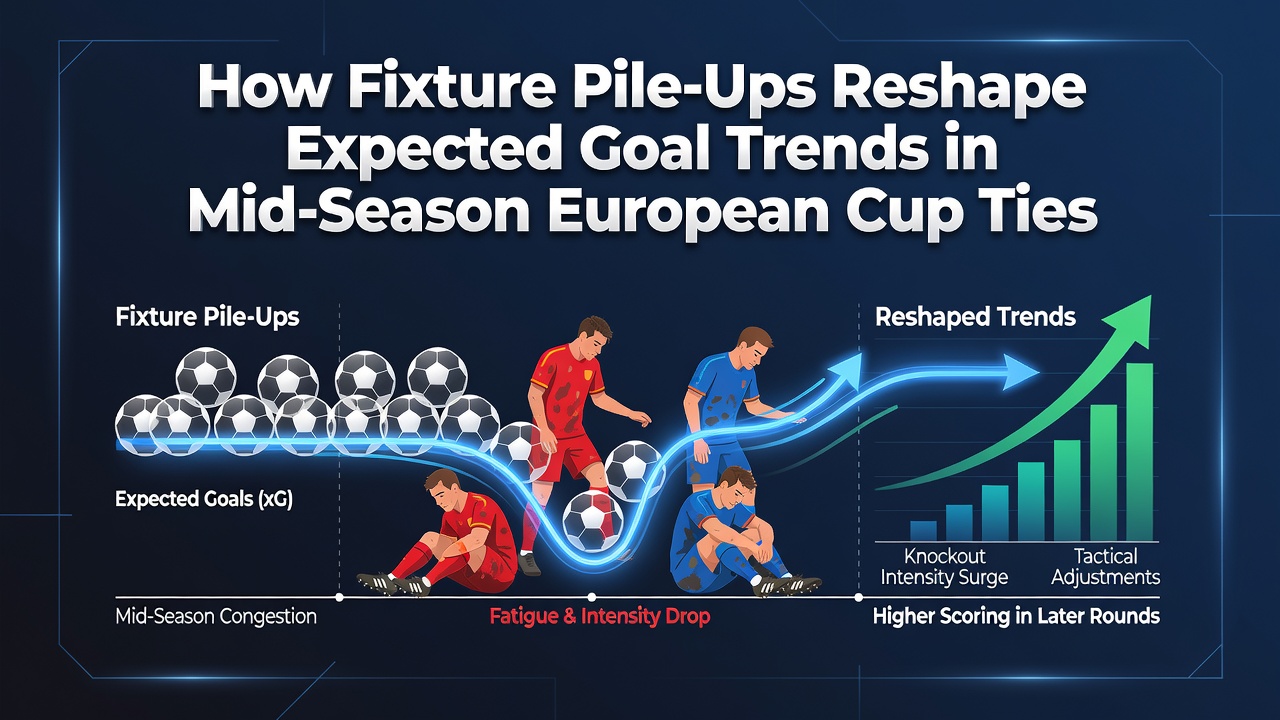
European cup competitions often create periods of intense scheduling pressure, and fixture pile-ups in the middle of the season produce measurable shifts in expected goal trends across participating clubs. Data from recent campaigns shows that teams facing multiple matches within short timeframes record adjustments in attacking output, with average xG values per game dropping by noticeable margins compared to less congested periods. Analysts tracking these patterns note consistent declines in high-quality chance creation when recovery windows shrink below three days between fixtures.
Schedule Overloads in European Competitions
Clubs competing in domestic leagues alongside Champions League or Europa League ties encounter fixture congestion most acutely between October and February, and mid-season blocks amplify the issue because international breaks offer only partial relief. Records from UEFA competitions indicate that teams advancing deep into knockout stages play up to four additional matches beyond their league commitments during this window, leading to compressed calendars. Observers have documented how travel demands compound the strain, particularly for clubs crossing time zones or dealing with adverse weather conditions in northern and eastern venues.
Expected goal models rely on shot location, quality, and historical conversion rates, yet fatigue alters these inputs when squads rotate or players operate below peak physical levels. Studies of match data reveal that teams in pile-up situations generate fewer shots from central areas inside the penalty box, which directly lowers their cumulative xG totals. Meanwhile, opponents facing fresher sides sometimes see their own xG rise because defensive lines sit deeper and allow more space for progressive passes.
Patterns Observed in Recent Seasons
Figures from the 2024-2025 and 2025-2026 campaigns illustrate the scale of these changes. Teams with four or more matches in a 14-day span posted average xG outputs 0.35 goals lower per game than their season-long baselines, according to aggregated tracking data. The reduction appears most pronounced in the second halves of those congested fixtures, where progressive carries and key passes decline as player workload accumulates. Midfielders and forwards show the steepest drops in high-intensity actions, which in turn reduces the volume of shots taken from high-value zones.
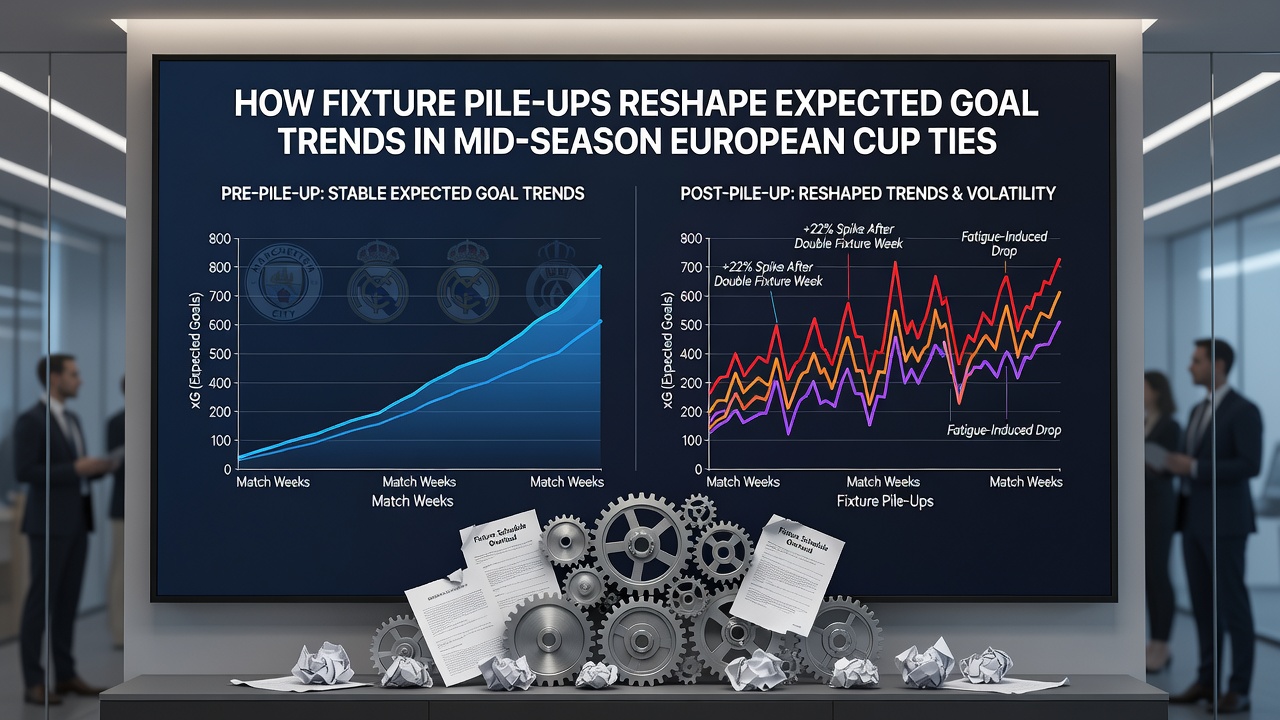
Researchers examining these trends point to specific tactical adjustments that clubs make under pressure. Managers often shift toward more compact defensive blocks and quicker transitions rather than sustained possession phases, and this approach correlates with fewer expected goals from open play. Set-piece xG contributions sometimes rise as compensation, but the overall net effect remains negative for most squads. Data collected across multiple European leagues confirms that the pattern holds whether the congested side plays at home or away.
Regional Variations Across Competitions
Clubs from leagues with winter breaks experience different congestion dynamics than those without such pauses, and August 2026 schedules already signal continued pressure points for teams balancing early domestic rounds with qualifying ties. Southern European sides historically manage summer preparation better, whereas northern clubs face greater fixture density when autumn weather disrupts training. Reports from the European Club Association highlight how these geographic differences influence squad depth requirements and rotation strategies, which in turn affect xG consistency over congested stretches.
Statistical models developed by performance analysts incorporate fatigue multipliers to adjust baseline xG projections during these periods, and the adjustments improve accuracy when predicting outcomes in mid-season European ties. Teams that maintain higher squad rotation tend to preserve closer-to-normal xG levels, whereas those relying on core players show steeper declines. The evidence indicates that recovery protocols and travel logistics play measurable roles in moderating these effects.
Conclusion
Fixture pile-ups continue to reshape expected goal trends in mid-season European cup ties through documented reductions in chance quality and volume, with data confirming the impact across multiple seasons and regions. Clubs and analysts rely on these patterns to refine preparation and modeling approaches as schedules remain demanding into 2026 and beyond.