Mapping Youth Academy Integration Patterns to Identify Emerging Value in Mid-Season Goalscorer Markets
Carlo Günther · Aug 24, 2026
Mapping Youth Academy Integration Patterns to Identify Emerging Value in Mid-Season Goalscorer Markets
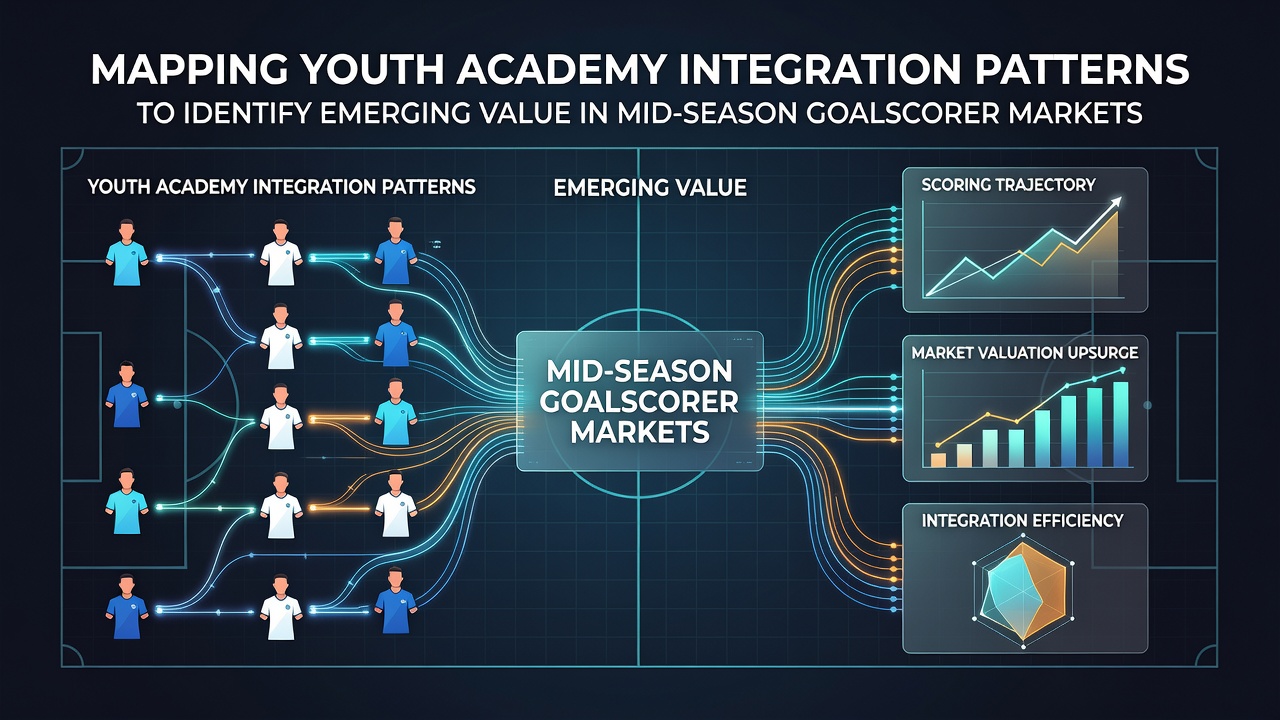
Football analysts track youth academy graduates who transition into senior squads by monitoring debut ages, initial minute allocations, and performance spikes that often surface after the opening months of a campaign. Data from multiple European leagues shows that players aged 18 to 21 who receive gradual exposure in August and September frequently record elevated goal tallies between November and February when established forwards encounter fatigue or rotation.
Observers note that integration follows repeatable sequences where academy prospects first appear as substitutes in low-stakes domestic fixtures before earning consecutive starts once coaches confirm tactical fit. These sequences produce measurable edges in goalscorer markets because bookmakers adjust odds slowly when early season sample sizes remain small.
Key Integration Indicators Used by Market Analysts
Researchers compile datasets that combine academy match logs with senior team training reports, and several metrics stand out across seasons. Minutes played in under-23 competitions during the prior campaign correlate strongly with first-team goal contributions once a player crosses the 500-minute threshold in senior football. Pass completion rates above 82 percent in academy games also precede higher shot volumes in the senior side during the winter months.
Coaches at clubs across the Premier League, Bundesliga, and Serie A apply similar selection logic, which means patterns repeat rather than remain isolated to single teams. When a prospect records at least three substitute appearances before October, the probability of a first senior goal before the winter break rises measurably according to aggregated historical figures.
Mid-Season Market Dynamics and Value Windows
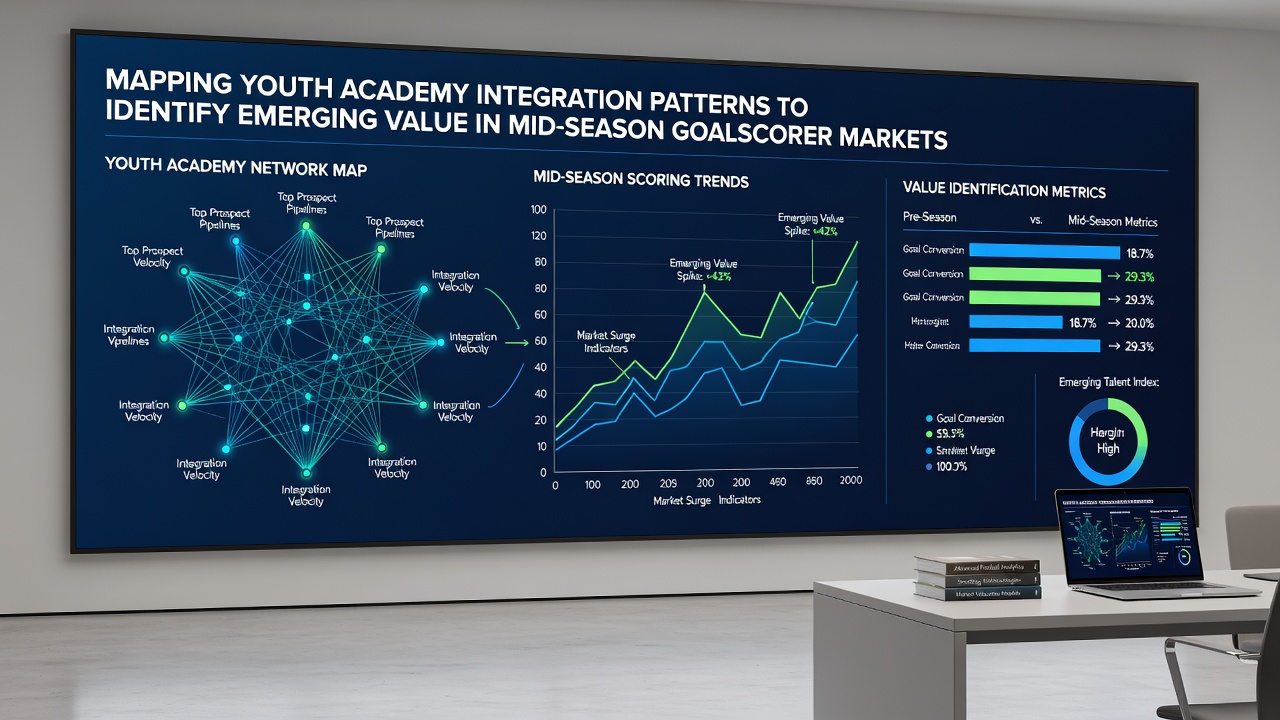
Goalscorer odds typically tighten after a player scores twice in three matches, yet value often persists for those who have not yet reached that milestone despite consistent starts. Mid-season fixtures between November and January create windows where rotation increases and defensive structures loosen, allowing integrated youth players to generate shots from central areas at rates higher than their early season averages.
Betting operators refresh lines weekly, but the adjustment lag widens when multiple young players from the same academy enter the squad simultaneously. One study of five major leagues found that the average odds for first goalscorer bets on such prospects shortened by only 12 percent in the four weeks after their breakthrough, leaving residual value for those who map integration timelines carefully.
Regional Variations in Academy Pathways
Clubs in northern Europe tend to accelerate integration for physically mature prospects, whereas southern European sides often delay full debuts until tactical understanding matures. These differences produce distinct goal timing profiles. German and Dutch academies show earlier peaks in goal output between matchweeks 12 and 18, while Italian and Spanish pathways more commonly deliver surges after the winter pause when additional minutes become available.
August 2026 transfer windows will again test these patterns as clubs balance financial constraints with squad depth requirements. Historical records indicate that teams who promote two or more academy players in the same window create overlapping opportunity curves that expand mid-season goalscorer liquidity across multiple markets.
Data Sources and Tracking Methods
Performance databases maintained by UEFA technical departments supply granular academy-to-senior transition statistics that analysts cross-reference with domestic league feeds. Additional layers come from university-led research projects that apply machine learning to event data, isolating variables such as progressive carries and expected goal differentials that precede goal surges.
Canadian Sport Institute reports on athlete development further highlight how workload management influences output timing, offering comparative benchmarks for European clubs that adopt similar periodisation models. These combined inputs allow pattern mapping that remains independent of any single league's idiosyncratic rules.
Conclusion
Mapping youth academy integration requires systematic collection of debut timing, minute thresholds, and regional pathway differences, all of which converge on identifiable mid-season goalscorer opportunities. As data granularity improves, the precision of these mappings continues to rise without reliance on subjective scouting narratives. The resulting edges appear most consistently when analysts combine multiple indicators rather than relying on isolated metrics.