Northern Pitches Under Weather's Spell: How Conditions Tilt Draw Probabilities in Regional Fixtures
Ines Hughes · May 20, 2026
Northern Pitches Under Weather's Spell: How Conditions Tilt Draw Probabilities in Regional Fixtures
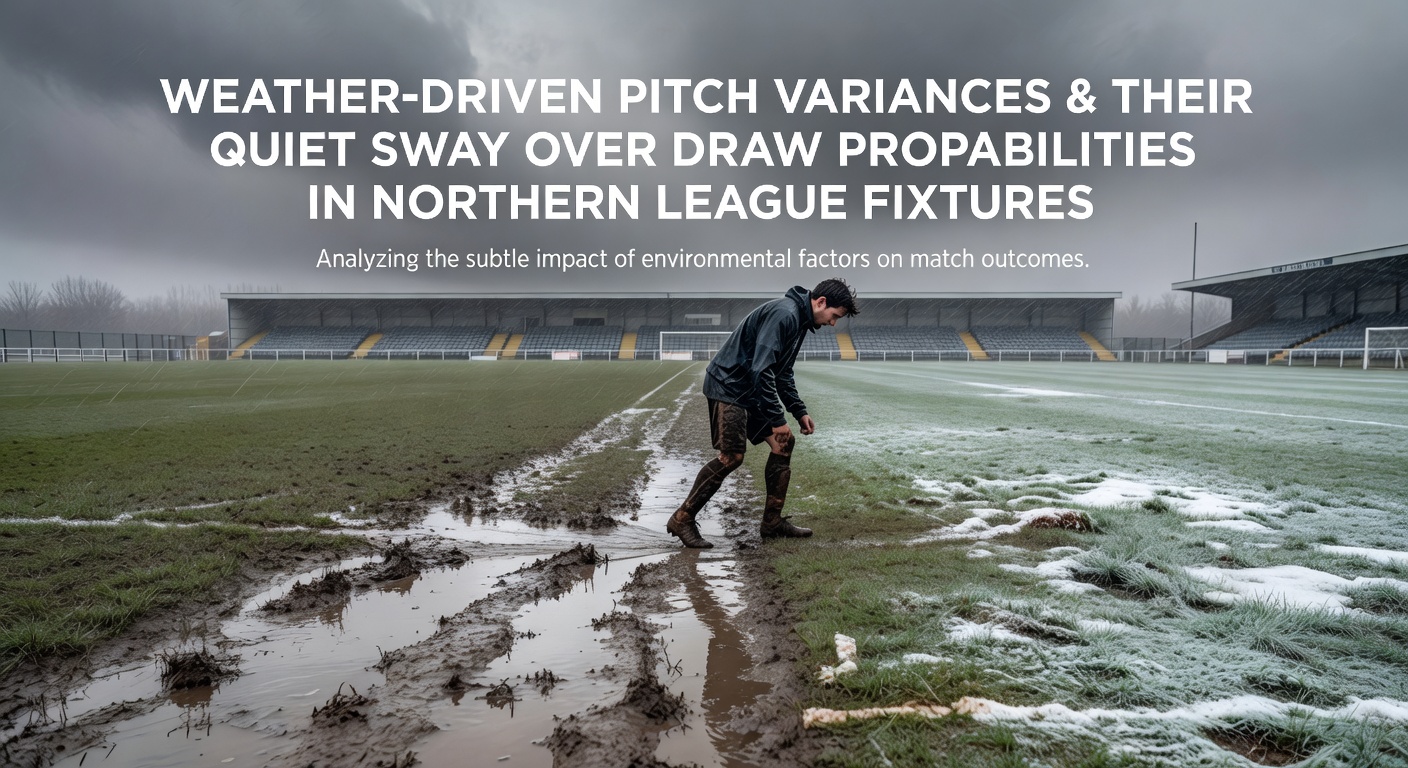
Weather patterns across northern leagues create pitch conditions that shift match outcomes in measurable ways, and researchers tracking fixtures in Norway, Sweden, and Scotland have documented consistent rises in draw rates when heavy rainfall or frost alters surface play. Data from multiple seasons shows these variances emerge most clearly during late autumn and early spring when temperatures hover near freezing while precipitation remains frequent, turning firm grounds into soft, unpredictable surfaces that limit attacking options and encourage cautious play from both sides.
How Moisture and Temperature Combine to Reshape Play
Moisture retention in northern soils differs sharply from southern European pitches because clay content and drainage systems vary by region, and studies from the Norwegian Football Federation reveal that pitches in the Eliteserien hold water longer after storms, which slows ball roll and reduces the effectiveness of through balls. When overnight temperatures drop below zero following daytime rain, a thin crust forms on the surface while the ground beneath stays soft, and teams often discover that long passes skid unpredictably or stop dead, forcing midfielders to play shorter, safer options that increase possession battles without creating clear chances.
Draw Frequency Patterns Across Specific Leagues
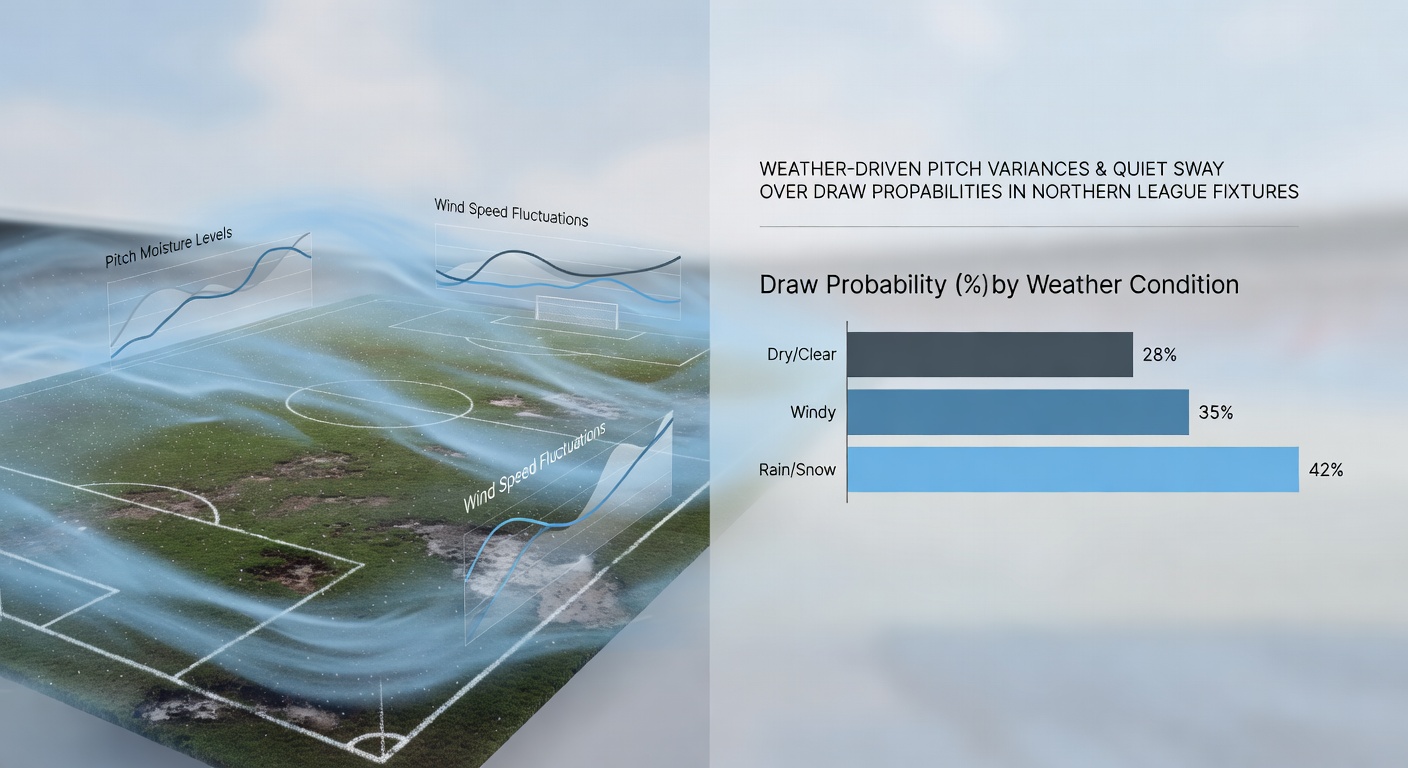
Figures from the Swedish Allsvenskan between 2020 and 2025 indicate draw percentages climb from an average of 27 percent on dry days to 34 percent when rainfall exceeds 10 millimeters in the 24 hours before kickoff, while similar tracking in Scotland's Premiership shows even higher spikes during matches played on frost-affected surfaces in November and March. These patterns hold across multiple clubs because the physical demands of northern weather affect all teams equally, and analysts note that home sides lose much of their usual advantage once the pitch becomes heavy and uneven.
Coaches in these leagues adjust formations accordingly, and observers have recorded more frequent use of compact defensive blocks paired with direct long balls aimed at target forwards rather than intricate build-up play. The result appears in betting markets as elevated draw probabilities that bookmakers adjust only after several rounds of similar conditions have passed.
Case Examples from Recent Seasons
Take one match between two mid-table Norwegian sides in October 2024 when persistent rain left large puddles near the penalty areas, and the game finished 0-0 with neither team managing more than four shots on target despite high possession numbers. Similar outcomes repeated across several venues that weekend, prompting data analysts to flag the weather variable as the primary driver rather than team form or injuries. In May 2026, early summer fixtures in northern Sweden could present the opposite challenge when rapid thawing creates muddy patches that favor teams comfortable with physical challenges over those relying on speed and technique.
Measurement Tools and Predictive Models
Meteorological data integrated with match statistics now allows more precise forecasting, and groups such as the European Centre for Medium-Range Weather Forecasts provide granular rainfall and temperature projections that analysts combine with historical pitch reports. Universities in Scandinavia have published papers showing that when soil moisture levels exceed 35 percent, expected goal totals drop by roughly 0.4 per match while draw likelihood rises proportionally, and these findings help explain why certain venues produce more stalemates than others regardless of league position.
Regional Differences and Drainage Infrastructure
Not every northern venue reacts identically because some clubs invested earlier in advanced drainage systems, yet even upgraded pitches show measurable slowdowns after prolonged wet spells. Scottish grounds with older turf bases tend to retain water near the touchlines, creating channels that direct play centrally and reduce wide attacking opportunities, whereas newer Swedish facilities drain faster but still develop uneven bounce once the top layer saturates. Tracking these venue-specific traits helps identify fixtures where draw probabilities remain elevated longer than average weather models suggest.
Impact on Player Performance Metrics
Player tracking data collected across northern leagues reveals reduced sprint distances and fewer high-intensity runs once surfaces soften, and midfielders record lower pass completion rates for progressive balls while defenders maintain higher tackle success because attackers struggle to change direction quickly. These shifts compound across full 90-minute periods, leading to fewer decisive moments and more games that end level, and the effect becomes especially pronounced when temperatures hover between 2 and 6 degrees Celsius with steady drizzle.
Conclusion
Weather-driven pitch changes continue to influence draw rates across northern league fixtures in ways that accumulate over entire matchweeks rather than single games, and ongoing collection of soil and climate data provides clearer signals for those monitoring seasonal trends. As fixtures progress into May 2026 and beyond, the same variables will likely repeat whenever cold fronts meet saturated grounds, offering consistent patterns for analysis without requiring dramatic shifts in team quality or tactics.