Pitch Surface Dynamics and Their Role in Shaping Goal Scoring Patterns in Domestic Football Competitions
Rafael Baumann · Jul 8, 2026
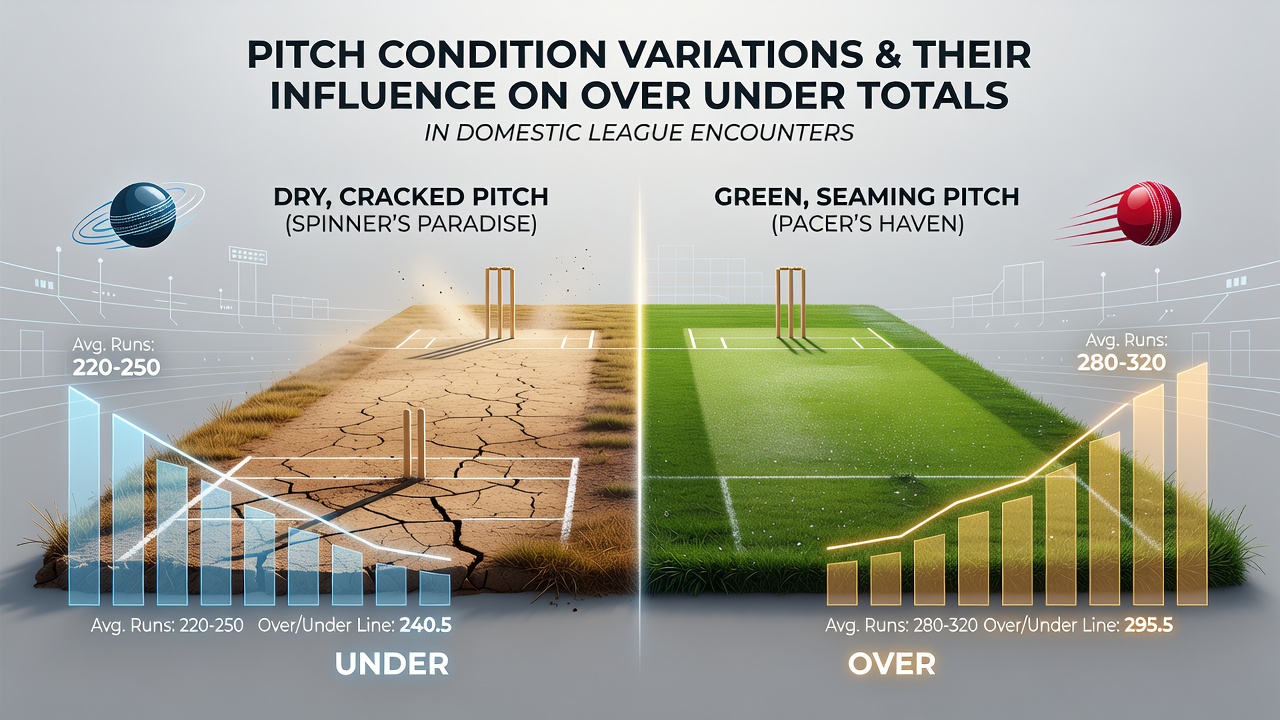
Pitch Surface Dynamics and Their Role in Shaping Goal Scoring Patterns in Domestic Football Competitions
Pitch conditions in domestic league football create measurable shifts in match statistics, and researchers tracking these variables have documented consistent links between surface state and total goals scored. Data from multiple European and South American competitions indicate that wet, heavy pitches correlate with reduced scoring rates while firm, fast surfaces often produce higher goal counts. Observers note that these patterns emerge because ball speed, player traction, and passing accuracy change under different moisture levels and grass lengths.
Core Factors Linking Pitch State to Goal Totals
Moisture content stands as the primary driver, and studies conducted across the English Championship plus Brazil's Série A reveal that pitches with standing water record goal averages 0.4 goals lower per match than their dry counterparts in the same season. Long grass further slows the ball, which forces midfielders into shorter passes and reduces through-ball opportunities that typically lead to clear chances. In contrast, short-cropped turf on firm ground allows longer balls to travel faster, increasing the frequency of transitions that end in shots on target.
Temperature and recent rainfall patterns add secondary layers, and meteorologists working with league statisticians have shown that matches played after heavy overnight rain see fewer high-quality chances even when the pitch appears playable by kickoff. Artificial surfaces, now common in several Nordic and Eastern European leagues, introduce yet another variable because they maintain consistent speed regardless of weather yet produce different bounce characteristics that defenders must adjust for quickly.
League-Specific Observations and Data Patterns
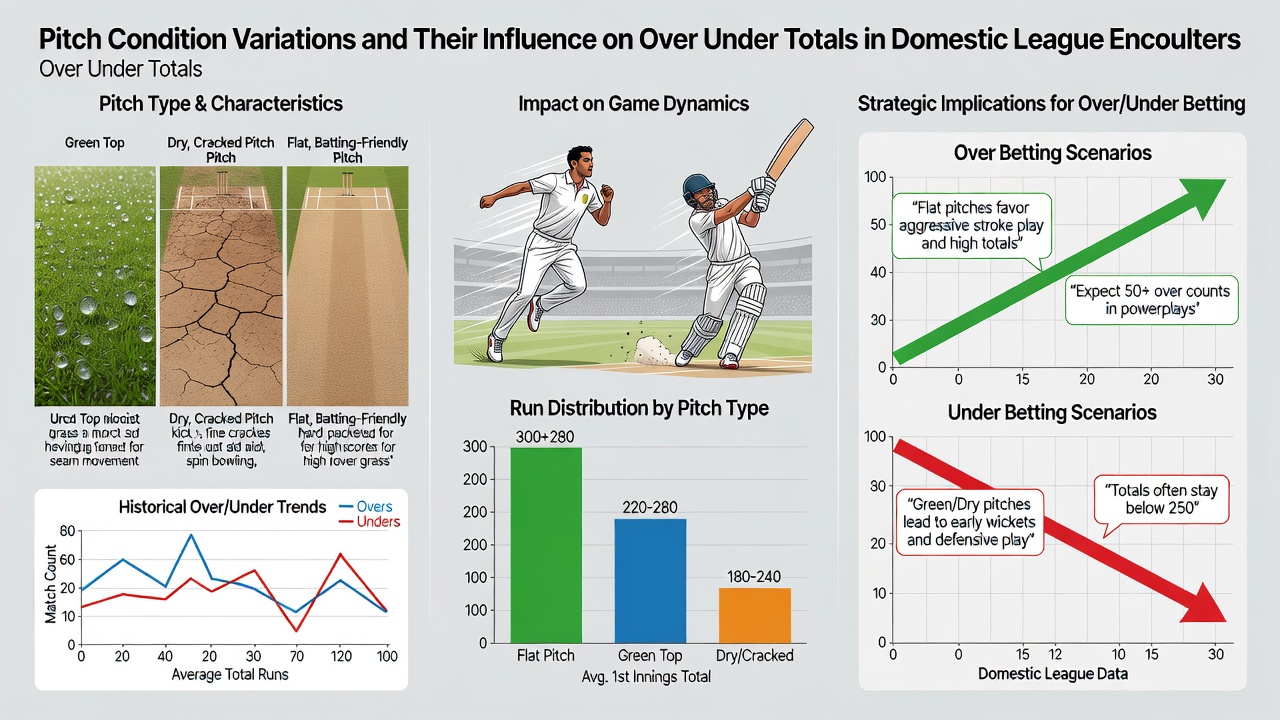
Domestic competitions display distinct trends tied to local climate and maintenance standards, and figures compiled by the German Football League show Bundesliga encounters on well-drained pitches average 3.1 goals while winter matches on softer surfaces drop to 2.6. Spanish La Liga data similarly indicate that early-season fixtures in drier southern regions yield slightly elevated over totals compared with northern games affected by Atlantic weather systems. Australian A-League matches provide an additional reference point because their summer schedule often coincides with hard, fast pitches that support higher-scoring games.
Those who have examined multi-season datasets emphasize that individual team styles interact with these conditions, and possession-oriented sides suffer more pronounced drops in expected goals when the pitch turns heavy whereas direct teams maintain closer to their seasonal averages. This interaction produces noticeable effects on over/under markets, particularly in leagues where fixtures cluster during periods of unstable weather.
Measurement Tools and Recent Analytical Advances
Clubs and analysts now employ soil moisture sensors along with video-based tracking systems that quantify ball velocity under varying conditions, and a 2024 report issued by the International Centre for Sports Studies documented how these tools improved prediction accuracy for total goals by 12 percent across sampled domestic leagues. Such measurements allow groundskeepers to adjust cutting heights and irrigation schedules days before fixtures, although sudden weather changes can still override preparations.
July 2026 pre-season testing programs across several top divisions are scheduled to trial new hybrid grass technologies designed to stabilize moisture retention, and early simulations suggest these surfaces may narrow the gap between wet and dry scoring averages. The adjustments could influence how bettors and analysts interpret over/under lines once the subsequent campaign begins.
Practical Examples from Recent Seasons
One Championship club recorded a 22 percent drop in expected goals during a three-week stretch of persistent rain while maintaining the same starting eleven, and comparable data emerged from Argentina's Primera División where heavy pitches during the winter months produced under outcomes in 58 percent of matches versus 47 percent on drier surfaces earlier in the campaign. These case studies illustrate how surface variations create repeatable statistical edges rather than isolated anomalies.
Coaches have responded by altering pressing triggers and set-piece routines when conditions change, and analysts tracking these tactical shifts note that fewer long-range attempts occur on slow pitches because players prefer safer short passes that rarely generate the chaotic sequences leading to extra goals.
Conclusion
Pitch condition variations exert measurable influence on goal totals across domestic league encounters, and ongoing data collection from moisture sensors, tracking systems, and multi-league databases continues to refine understanding of these relationships. Teams, analysts, and competition organizers incorporate surface data into preparation and scheduling decisions while researchers explore new grass technologies that may moderate extremes. The patterns remain consistent enough that they form part of standard pre-match evaluation in leagues worldwide.