Pitch Surface Dynamics: Impacts on Passing Precision and Accumulator Opportunities in Weekend Football Leagues
Wendy Baumann · Jul 15, 2026
Pitch Surface Dynamics: Impacts on Passing Precision and Accumulator Opportunities in Weekend Football Leagues
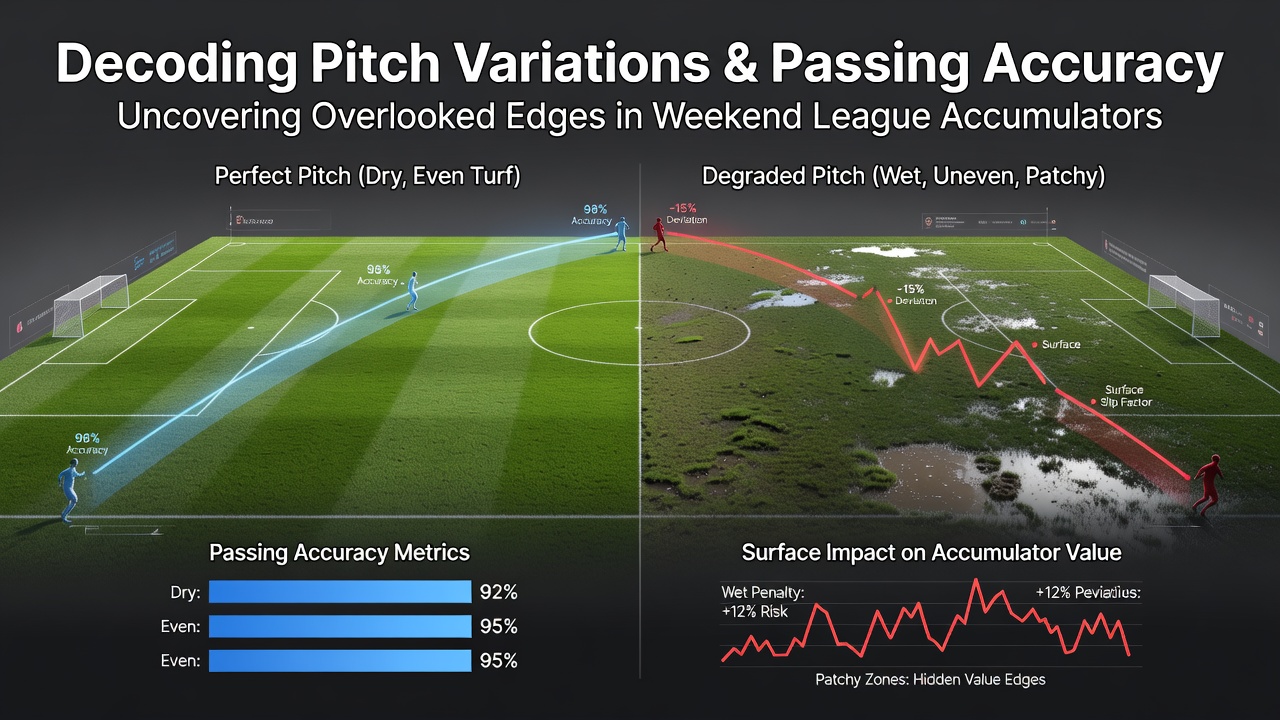
Football matches unfold on surfaces that range from pristine natural grass to worn hybrid pitches and artificial turf installations, each one shaping how the ball travels across the field. Pitch conditions influence ball speed, bounce height, and roll distance, which in turn affect the success rates of short passes, through balls, and crosses that define team strategies. Data from multiple European domestic competitions shows measurable differences in completion percentages when teams play on surfaces with varying grass heights or moisture levels, particularly during congested weekend schedules where accumulators draw on multiple fixtures.
Grass Height and Ball Roll Patterns
Groundskeepers adjust grass lengths between 25 and 40 millimetres depending on weather forecasts and fixture demands, creating distinct environments for passing. Longer grass slows the ball and increases friction, which reduces the effectiveness of low-driven passes while favouring teams that rely on aerial distribution. Shorter cuts allow quicker ball movement and reward sides with precise short-passing networks. Researchers at the University of Queensland documented these effects across Australian A-League fixtures, noting that teams averaging above 85 percent pass completion on short grass dropped several points when facing opponents on longer surfaces during the same matchweek.
Moisture content adds another variable because recent rainfall or irrigation changes the coefficient of friction. Damp pitches produce less predictable bounces, which disrupts timing on one-touch combinations and increases the likelihood of turnovers in midfield zones. Observers tracking Serie A and Bundesliga data from 2024 through 2025 recorded higher rates of progressive passes completed on drier surfaces, while wet conditions correlated with elevated long-ball usage and reduced build-up play from the back.
Artificial Turf Versus Natural Surfaces
Artificial pitches installed in several Nordic and Eastern European leagues maintain consistent hardness throughout the season, yet they generate faster ball roll and higher bounce compared with natural grass. Players accustomed to grass often require several matches to recalibrate their passing weight and first-touch technique. A longitudinal study conducted by the Norwegian School of Sport Sciences found that visiting teams on artificial turf recorded an average 4.2 percent decline in pass accuracy during the opening 30 minutes, with recovery occurring only after halftime adjustments.
Hybrid systems, which combine natural grass with synthetic fibres, appear in many top-flight venues and offer intermediate characteristics. These surfaces resist wear better during winter months but still produce subtle differences in ball behaviour when compared with pure grass. Weekend league accumulators that incorporate fixtures across mixed surface types therefore encounter overlooked statistical edges when models fail to account for these transitions.
Accumulators and Surface-Based Edges
Weekend accumulators often bundle matches from multiple leagues where pitch conditions vary widely due to regional weather and maintenance budgets. Teams with recent experience on similar surfaces tend to maintain higher passing accuracy, which correlates with expected goal creation and clean-sheet probabilities. Analysts reviewing Eredivisie and Primeira Liga fixtures have identified instances where market odds did not fully reflect visiting sides that arrived from artificial-turf environments and then performed on natural grass the following weekend.
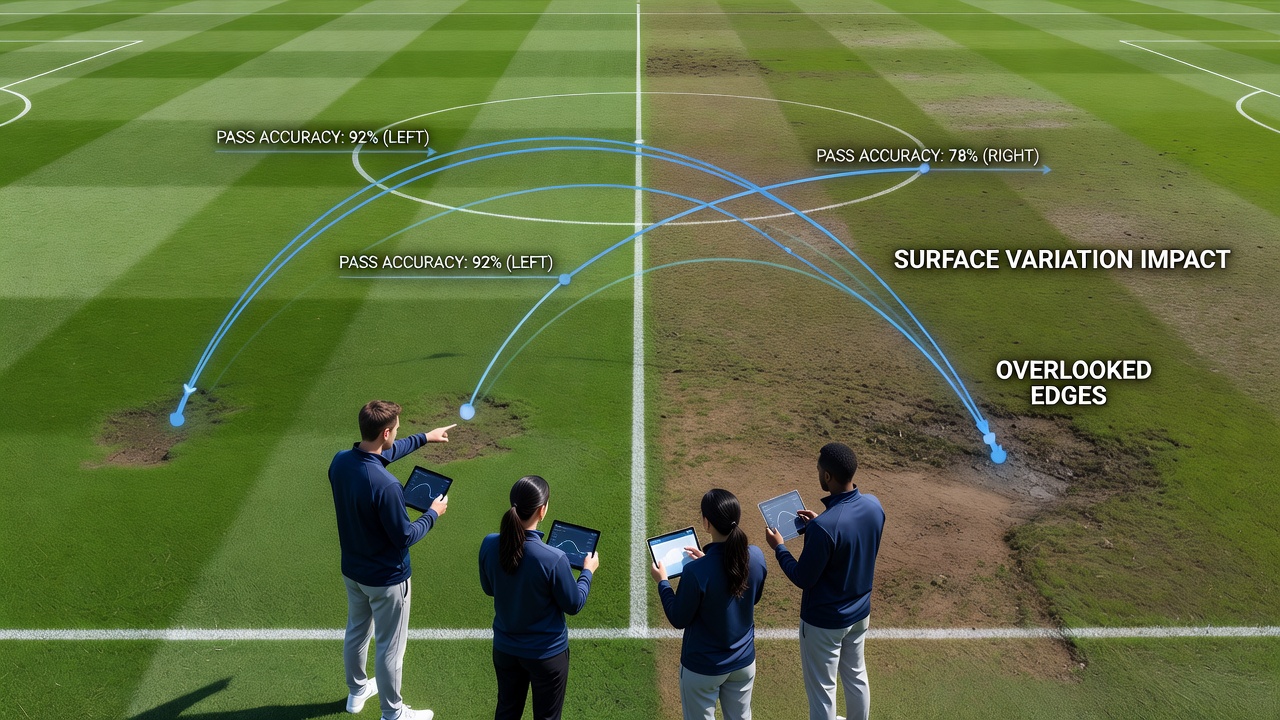
July 2026 pre-season friendlies across South American and Asian leagues provide early indications of how clubs adapt to new pitch preparations ahead of the domestic campaigns. Several Brazilian Série A sides conducted training camps on surfaces mimicking European winter conditions, allowing performance analysts to quantify passing adjustments before the August restart. These preparation periods generate datasets that later inform accumulator selections once the regular weekend schedule begins.
Case Examples From Recent Seasons
One documented pattern emerged during a 2025 matchweek in the Belgian Pro League where three fixtures occurred on pitches with documented grass-length differentials exceeding 10 millimetres. Teams playing their second match in four days on shorter grass showed elevated turnover rates in the final third, directly influencing both total goals and corner markets within accumulators. Similar observations surfaced in Swiss Super League games where hybrid surfaces produced fewer long-range passes but increased successful dribbles in tight areas.
Those who examine granular tracking data note that central midfielders experience the largest accuracy swings when surfaces change, while full-backs maintain more stable completion rates because their passing options often involve wider channels less affected by roll speed. Accumulator builders who layer these positional insights with surface reports can identify value in player-prop markets that broader models overlook.
Conclusion
Surface variations continue to shape passing outcomes across weekend football schedules, producing measurable statistical patterns that extend into accumulator markets. Detailed records of grass height, moisture, and turf type from domestic leagues supply the raw inputs for refined performance models. As July 2026 pre-season work concludes and new campaigns commence, the same surface-driven dynamics will influence fixture outcomes and the edges available to those constructing weekend accumulators.