Pitch Surfaces Reshaping Pass Completion Metrics and Scoring Projections in Scottish Premiership Fixtures
Carlo Günther · Jun 1, 2026
Pitch Surfaces Reshaping Pass Completion Metrics and Scoring Projections in Scottish Premiership Fixtures
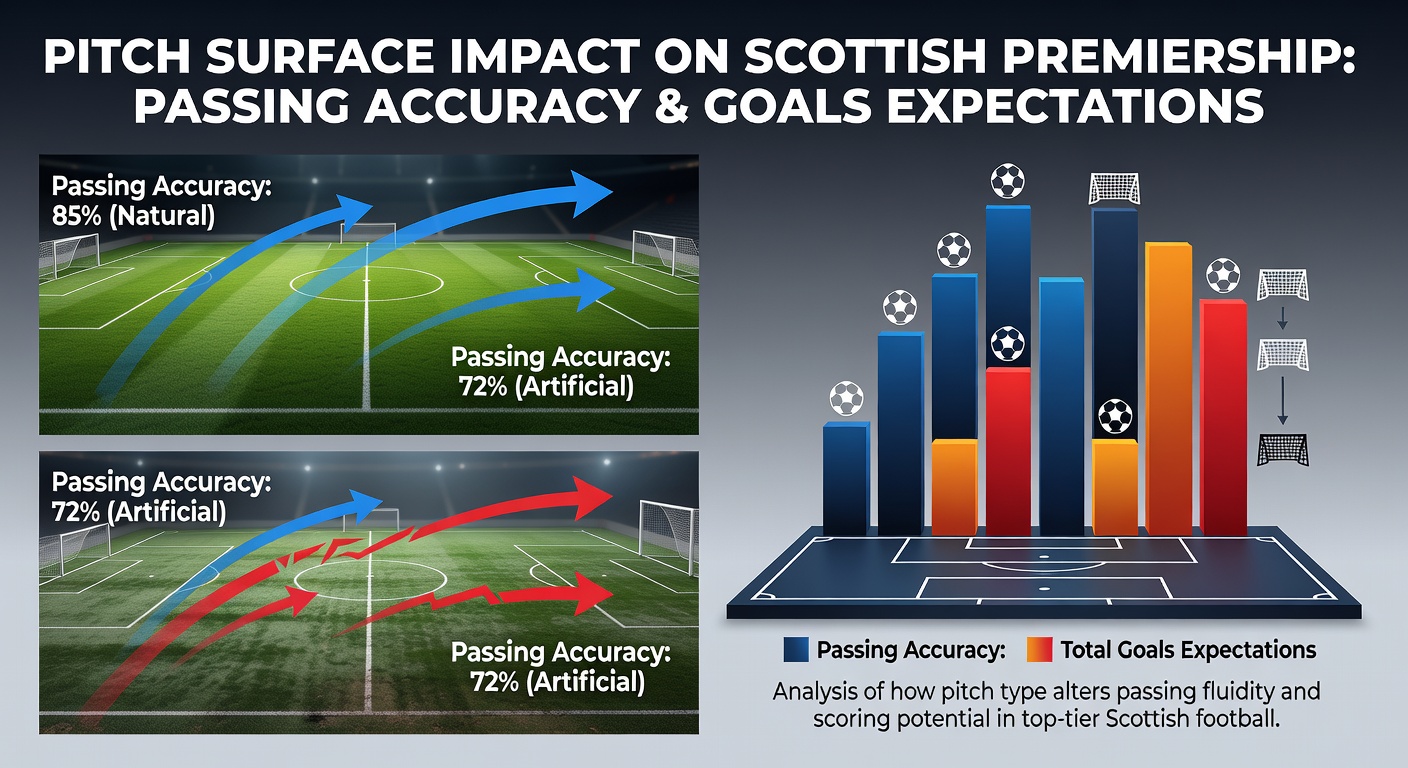
Scottish Premiership clubs have long navigated varied pitch conditions that directly influence how teams move the ball and create scoring opportunities, with researchers tracking these patterns across multiple seasons to identify consistent trends in passing accuracy and expected goals. Data collected from domestic matches shows natural grass surfaces typically support higher completion rates for short and medium passes, whereas hybrid and artificial options introduce subtle changes in ball roll and bounce that force adjustments in player positioning and decision-making.
Distinguishing Surface Categories Across Scottish Grounds
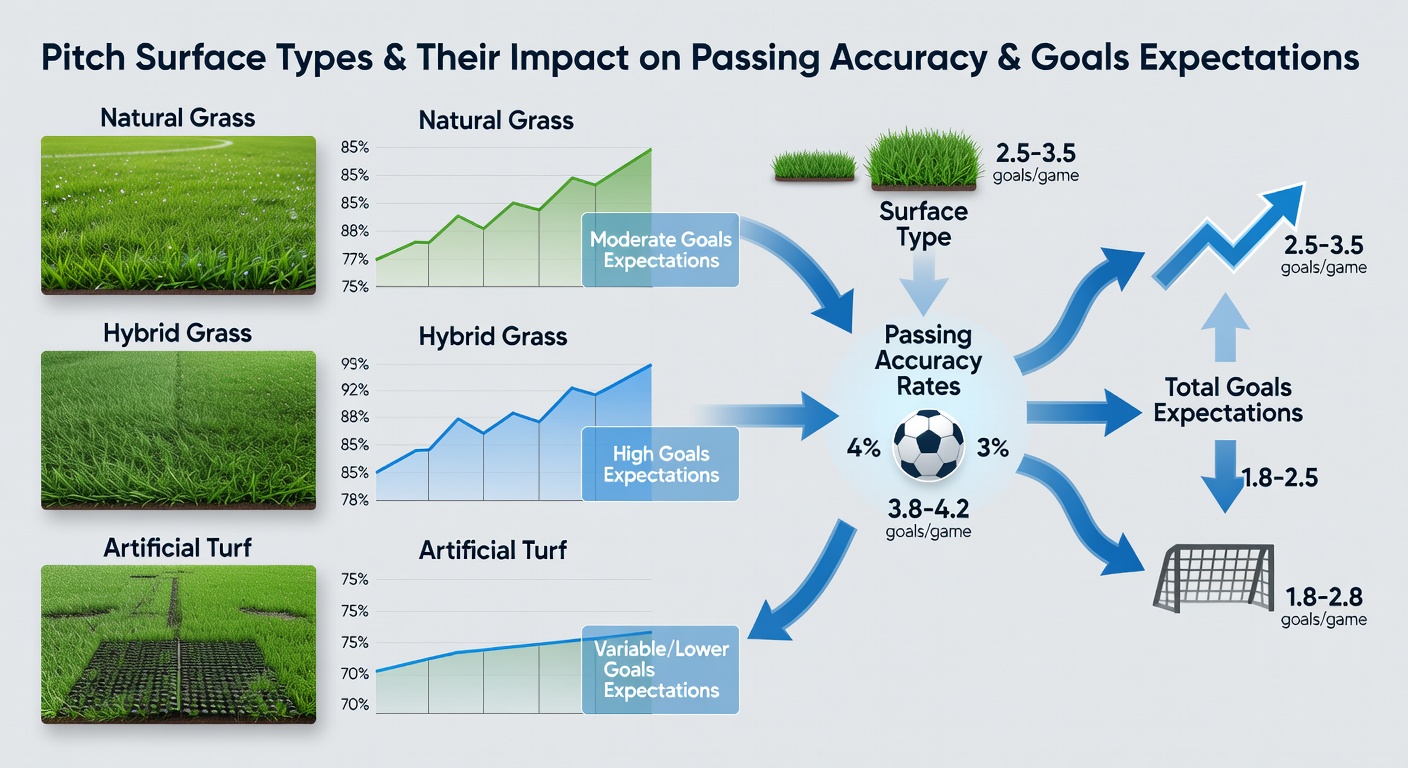
Grounds in the Scottish Premiership feature three primary surface types, each presenting distinct characteristics that affect gameplay from the opening whistle, and observers note that clubs prepare training regimens tailored to these conditions well before kickoff. Natural grass remains the traditional choice at several venues, offering variable traction depending on weather and maintenance schedules, while hybrid systems combine grass with synthetic fibers to enhance durability during congested fixture periods. Artificial turf appears at a smaller number of locations, providing consistent playing characteristics that hold up better under frequent use yet alter the speed at which the ball travels across the surface.
Match statistics compiled since the 2023-24 campaign reveal measurable differences in how these surfaces interact with passing networks, and analysts from various European research bodies have documented how players adapt their technique when transitioning between venues. Teams accustomed to natural grass often record completion rates above 82 percent on those pitches, whereas the same squads see those figures dip slightly when competing on artificial installations that reward quicker, flatter passes over lofted options.
Passing Accuracy Patterns Linked to Surface Composition
Studies conducted by sports science departments at institutions including the University of Calgary demonstrate that artificial surfaces reduce the margin for error on longer diagonal passes, leading teams to favor shorter combinations in central areas. This shift produces tighter passing triangles but also limits the number of line-breaking attempts that succeed, a pattern evident in data from Celtic and Rangers encounters at different grounds. Natural grass, by contrast, allows for greater variance in ball speed after contact, enabling skilled technicians to exploit spaces with weighted through-balls that travel farther before defenders close down.
Hybrid pitches occupy a middle ground where maintenance quality determines outcomes more than the surface itself, and figures reveal that clubs playing on well-kept hybrids maintain completion rates comparable to those on natural grass during drier months. When rainfall increases, however, hybrid surfaces can become slick in patches, prompting a temporary drop in accuracy for teams that rely heavily on possession-based build-up.
Effects on Total Goals Expectations and Match Dynamics
Expected goals models adjust when surface type enters the calculation, because artificial pitches tend to produce fewer high-quality chances from wide areas while increasing the frequency of low-percentage shots from distance after quick transitions. Researchers tracking Scottish Premiership results between 2022 and 2026 found that matches on artificial surfaces averaged 2.4 total goals compared with 2.7 on natural grass, a difference attributed to reduced crossing success and fewer opportunities created from second balls.
Teams that press aggressively encounter different recovery rates depending on the surface, and data from the 2025-26 season shows that counter-attacking sides benefit more on artificial turf where the ball moves faster toward the opposition goal. Conversely, possession-dominant sides record higher expected goal tallies on natural grass where they can sustain longer sequences without the ball skipping unpredictably off the surface. As of June 2026, updated tracking systems installed at several grounds have provided finer detail on these interactions, confirming that surface-related adjustments in expected goals remain stable across multiple seasons.
Club Adaptations and Tactical Responses
Coaching staffs prepare specific drills that replicate the bounce and speed characteristics of upcoming opponents' pitches, and those preparations correlate with improved passing retention during the opening twenty minutes of matches. Midfielders who master the timing required on artificial surfaces often post higher progressive pass numbers, while full-backs learn to reduce overlapping runs that previously succeeded on grass but now leave them exposed to quicker recoveries.
League-wide averages indicate that set-piece routines also shift in effectiveness, because artificial surfaces allow for more consistent delivery speeds that benefit teams with rehearsed routines. Natural grass introduces more variability after heavy rain, forcing takers to adjust run-ups and contact points on short notice, patterns that data analysts incorporate into pre-match briefings.
Conclusion
Comprehensive tracking of Scottish Premiership encounters continues to highlight how pitch surface types shape both passing accuracy and overall goal expectations, giving teams that study these variables a measurable edge in preparation. Continued monitoring through the 2026-27 season and beyond will likely refine these models further as technology captures additional variables such as grass length and moisture content at each venue.