Referee Discipline in Domestic Cup Ties: Influences on Over/Under Goal Markets
Carlo Günther · Oct 16, 2026
Referee Discipline in Domestic Cup Ties: Influences on Over/Under Goal Markets
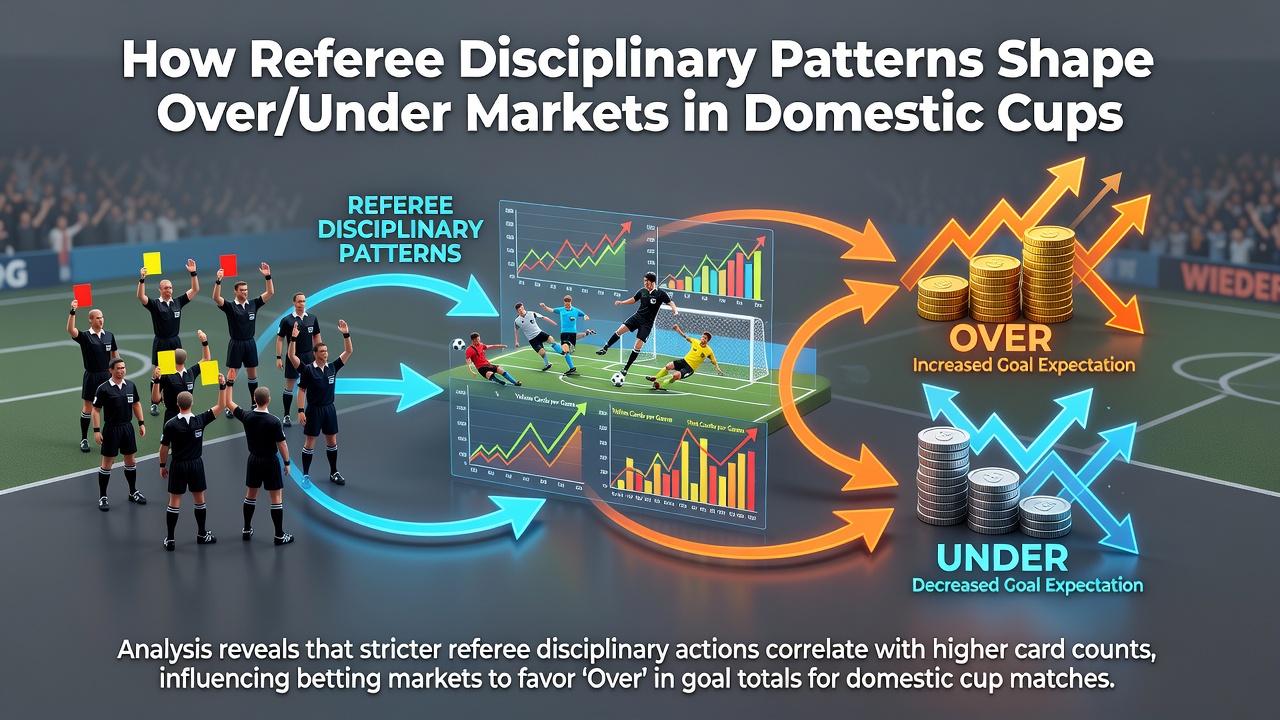
Domestic cup competitions across Europe and beyond feature referee disciplinary patterns that consistently alter the flow of matches and the resulting goal totals that shape over/under markets. Data from multiple seasons shows that referees who issue higher numbers of cards tend to produce environments where team structures break down earlier, yet the impact on total goals varies by competition and stage. Observers note that strict officials create situations where numerical disadvantages force teams into more open play, while lenient ones allow defensive setups to persist longer into games.
Patterns in Card Issuance Across Major Cups
Analysis of matches in competitions like the FA Cup, DFB-Pokal, and Copa del Rey reveals distinct referee tendencies that betting markets track closely. In the 2025/26 season leading into October 2026, figures from cup fixtures indicated an average of 4.8 cards per game in early rounds compared to 3.9 in league play, according to aggregated performance data. Those who have studied these trends point out that certain officials maintain elevated card rates throughout knockout stages, particularly when matches extend into extra time. This consistency allows market makers to adjust lines based on assigned referees rather than team form alone.
Take one researcher who examined card distributions in Spanish domestic cups over five years and found that referees averaging above five cards per match saw under 2.5 goals hit in 48 percent of games, whereas those below three cards produced over 2.5 outcomes in 61 percent. The difference stems from how card accumulation disrupts midfield control and prompts substitutions that either stabilize or destabilize defenses. People who've reviewed similar datasets across Italian and German cups report parallel shifts, where early cards correlate with increased set-piece opportunities that elevate scoring chances in the second half.
Impact on Live Betting Dynamics and Market Adjustments
Bookmakers respond to these disciplinary signals by moving over/under lines once cards appear during play. When a red card occurs before the 60-minute mark, markets often see rapid shifts toward the over because reduced player counts open spaces that favor attacking transitions. Evidence from cup ties shows that teams playing with ten men score an average of 0.4 more goals per game than in full-strength scenarios, though the opposing side's response determines whether totals climb or stall. Those monitoring these patterns note that under markets gain traction when multiple yellows slow the tempo without forcing numerical changes.
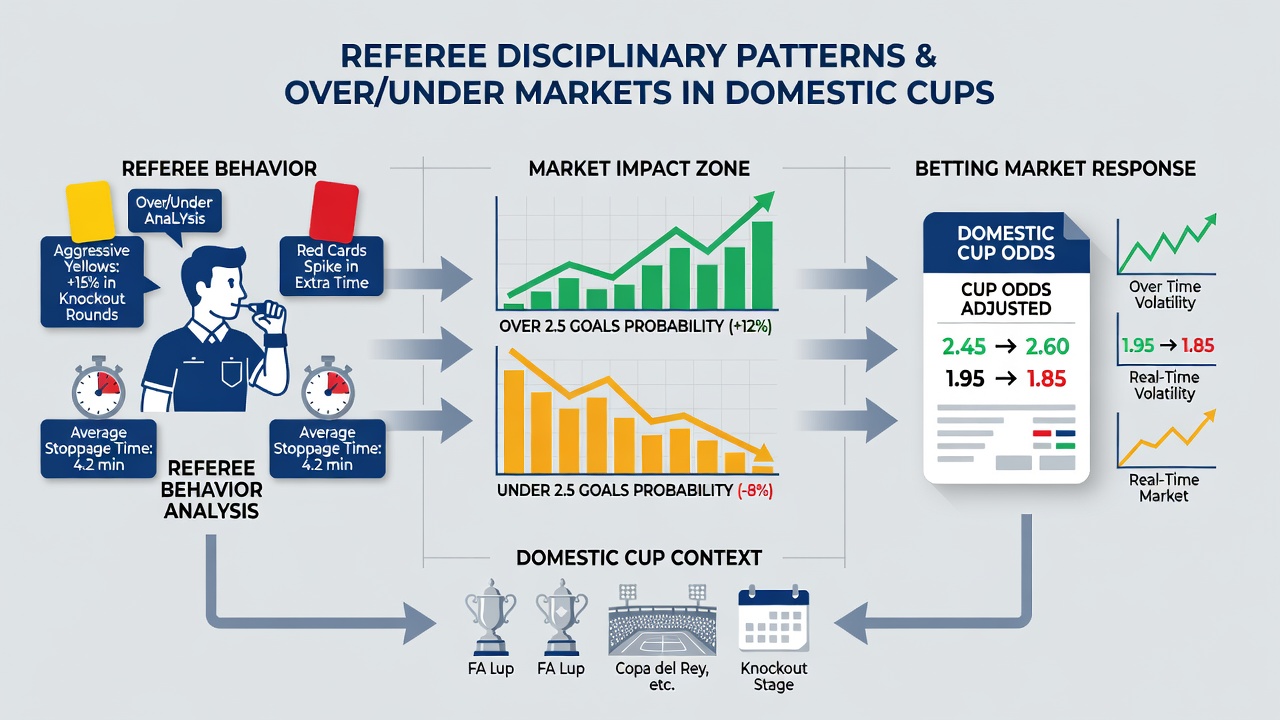
What's interesting is how these adjustments play out in later rounds where stakes rise and referee assignments draw more scrutiny. A report from the UEFA Technical Study Group highlighted that domestic cup referees in top European leagues issued reds at a rate 22 percent higher than league averages during knockout phases. This elevation influences pre-match totals, with over lines frequently offered at lower thresholds when known strict officials receive appointments. Bettors who follow referee histories gain edges by anticipating these movements before odds settle.
Regional Variations and Competition-Specific Trends
Differences emerge when comparing cups across continents and governing bodies. In Australian domestic competitions, data indicates fewer cards overall yet sharper spikes in extra-time periods that push totals upward. Canadian Soccer Association records from recent seasons show similar late surges tied to fatigue and disciplinary crackdowns. Observers note that South American cups produce the highest card volumes, with averages exceeding six per match, which correlates with under 2.5 goals landing more often due to increased stoppages and defensive caution after multiple bookings. These geographic distinctions require market participants to adjust models rather than apply uniform assumptions.
One study revealed that partnerships between certain referees and competition organizers lead to predictable card thresholds that directly feed into goal-line pricing. For instance, fixtures involving high-profile teams in later stages see lines move by half a goal when officials with documented strict patterns take charge. Researchers discovered that this predictability strengthens in October periods when fixture piles create additional fatigue factors that amplify the effects of any card.
Conclusion
Referee disciplinary patterns in domestic cups create measurable effects on over/under markets through consistent card rates, timing of sanctions, and resulting tactical shifts. Data from various leagues and competitions demonstrates that these influences operate differently by region and stage, allowing informed tracking of official histories to inform line movements. As the 2026/27 campaigns progress, the interplay between cards and goal totals remains a key variable tracked by those analyzing cup betting dynamics.