Regional Pitch Characteristics and Their Effects on Weekend Football Scoring Rates
Rafael Baumann · Aug 22, 2026
Regional Pitch Characteristics and Their Effects on Weekend Football Scoring Rates
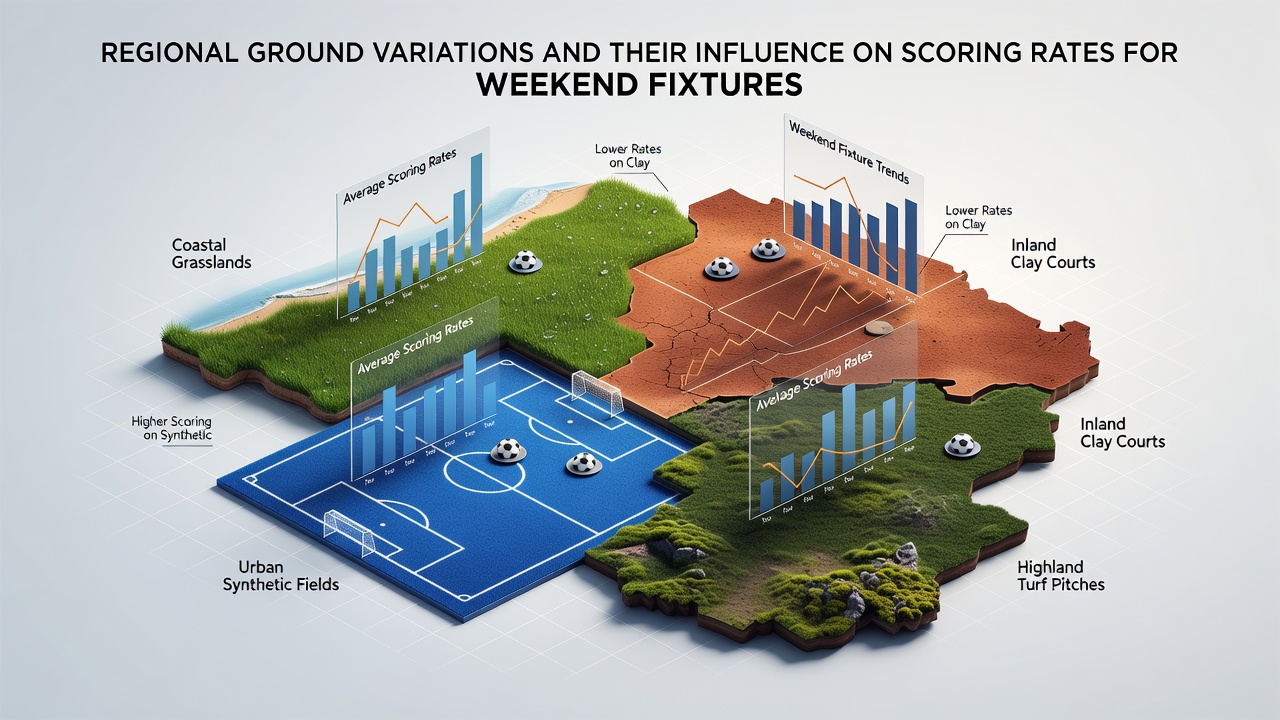
Football pitches differ substantially from one region to another, and these variations directly shape scoring patterns during weekend fixtures. Pitch dimensions, grass types, drainage systems, and altitude levels all contribute to how matches unfold, with data from multiple leagues indicating measurable differences in goals per game. Observers note that clubs in northern climates often maintain shorter, firmer surfaces during summer months, while southern venues contend with thicker growth and occasional water retention that slows play and reduces open chances.
Key Factors Behind Regional Ground Differences
Soil composition and maintenance practices vary widely, and these elements influence ball roll and player movement. Research from European sports science groups shows that clay-heavy soils in parts of Spain and Italy create harder, faster surfaces that encourage longer passes and more counter-attacks, whereas peat-based grounds common in parts of Germany and the Netherlands hold moisture longer and lead to shorter, possession-based games. Altitude adds another layer, since thinner air at high-elevation stadiums alters ball trajectory and stamina demands. Teams in the Andes region routinely record higher goal averages when hosting at elevation, because visiting sides adapt slowly to the conditions during the first half.
Weather patterns compound these effects across continents. Coastal venues in Australia experience rapid grass growth during humid periods, and data collected by the Australian Institute of Sport reveals that such surfaces correlate with fewer total goals in weekend fixtures compared to inland arid pitches. In contrast, colder northern European grounds in late summer can develop patchy areas after heavy rain, forcing players to adjust their shooting angles and increasing the frequency of blocked attempts.
Impact on Scoring Trends in Weekend Matches
Weekend schedules amplify these ground influences because recovery time between games is shorter than midweek slots. Analysts tracking matches across multiple seasons have documented that clubs traveling between regions with contrasting pitch profiles concede more goals on the second day of a double-header weekend. Firmer surfaces in one city allow quicker transitions, while softer grounds in the next venue tire legs faster and reduce defensive positioning accuracy. This pattern appears consistently in domestic leagues where travel distances span several climate zones.
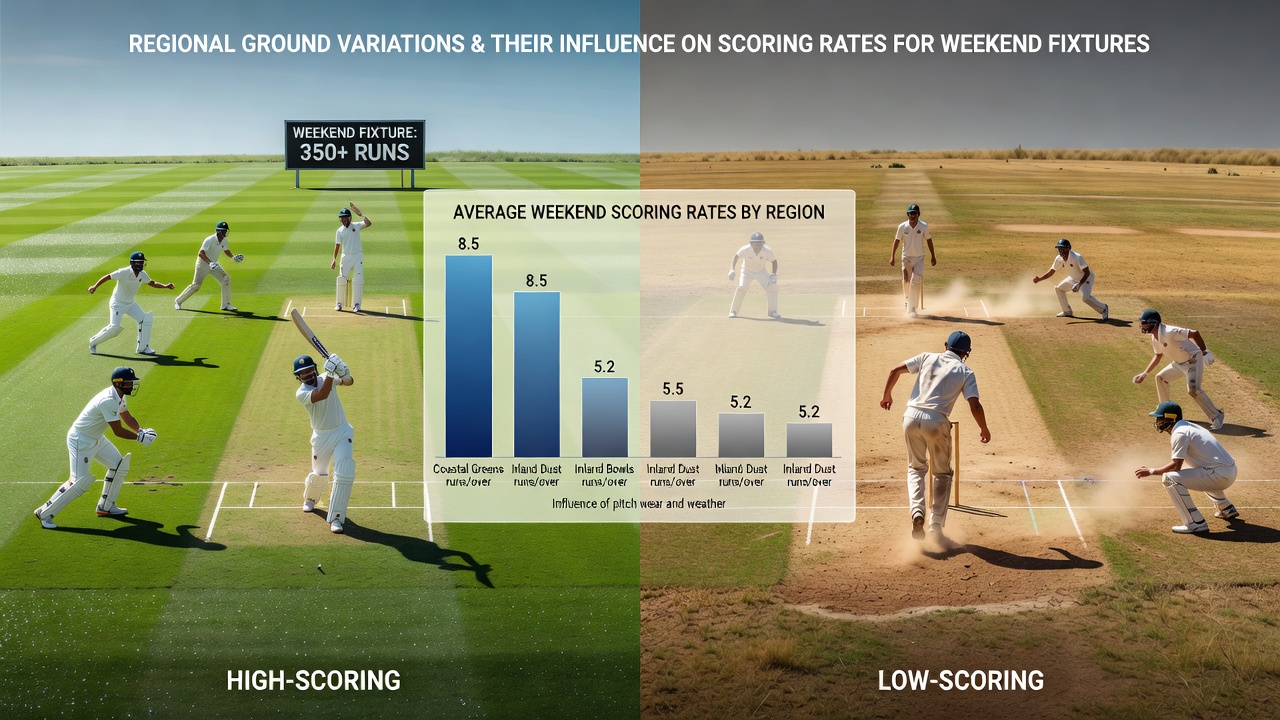
Statistical reviews of major competitions confirm that average goals per match rise on pitches measuring closer to the maximum permitted length and width. Wider surfaces open space for wing play and crossing opportunities, and leagues that enforce uniform but regionally adapted maintenance report higher scoring outputs during August when new growth stabilizes. One study released by a German research institute in 2025 highlighted a 0.3 goal increase per game on expanded fields during the opening months of the season, with the trend carrying into the following year.
Examples from Different Leagues and Climates
Take South American domestic weekends, where coastal clubs play on irrigated Bermuda grass that stays lush year-round, while highland teams use native varieties suited to thinner air. Match reports from those fixtures show elevated scoring when lowland sides visit altitude venues, because the visitors misjudge ball flight in the thinner atmosphere. Similar contrasts exist in North American leagues, where artificial turf hybrids in covered stadiums produce consistent bounce and higher shot volumes compared to natural grass outdoors in variable weather.
European examples include Scandinavian venues that transition from winter covers to natural surfaces by August, resulting in softer early-season conditions that favor teams comfortable with physical duels over quick passing. Data compiled across several campaigns indicates these pitches yield fewer long-range goals until the surface firms up later in the month. Meanwhile, Mediterranean grounds often feature drought-resistant grasses that remain firm even during warm weekends, supporting more end-to-end action and increased goal tallies.
Preparation and Adaptation Strategies
Coaching staffs review pitch reports in advance of weekend travel, and groundskeepers adjust cutting heights and watering schedules accordingly. Teams that simulate regional conditions during training sessions show better adaptation, according to performance metrics shared by professional academies. This preparation reduces the initial adjustment period and helps maintain expected scoring rates even on unfamiliar surfaces.
August 2026 fixtures will again test these regional dynamics as new pitch installations come online in several leagues. Early data from pre-season friendlies suggests that upgraded drainage systems in northern venues are already lowering water-related disruptions, which historically suppressed scoring in wet conditions. Such upgrades allow weekend matches to proceed at consistent tempos regardless of recent rainfall.
Conclusion
Regional ground variations continue to exert clear influence on scoring rates across weekend football schedules. Differences in surface hardness, dimensions, altitude, and grass management create distinct match environments that teams must navigate each week. Data from sports research bodies and league tracking systems demonstrate repeatable patterns, and clubs that account for these factors in their preparation maintain more predictable performance levels. As August 2026 approaches, ongoing improvements in pitch technology and maintenance practices will likely refine these influences further while preserving the core regional distinctions that shape weekend results.