Social Media Virality Shaping Real-Time Football Betting Dynamics
Ines Hughes · Oct 2, 2026
Social Media Virality Shaping Real-Time Football Betting Dynamics
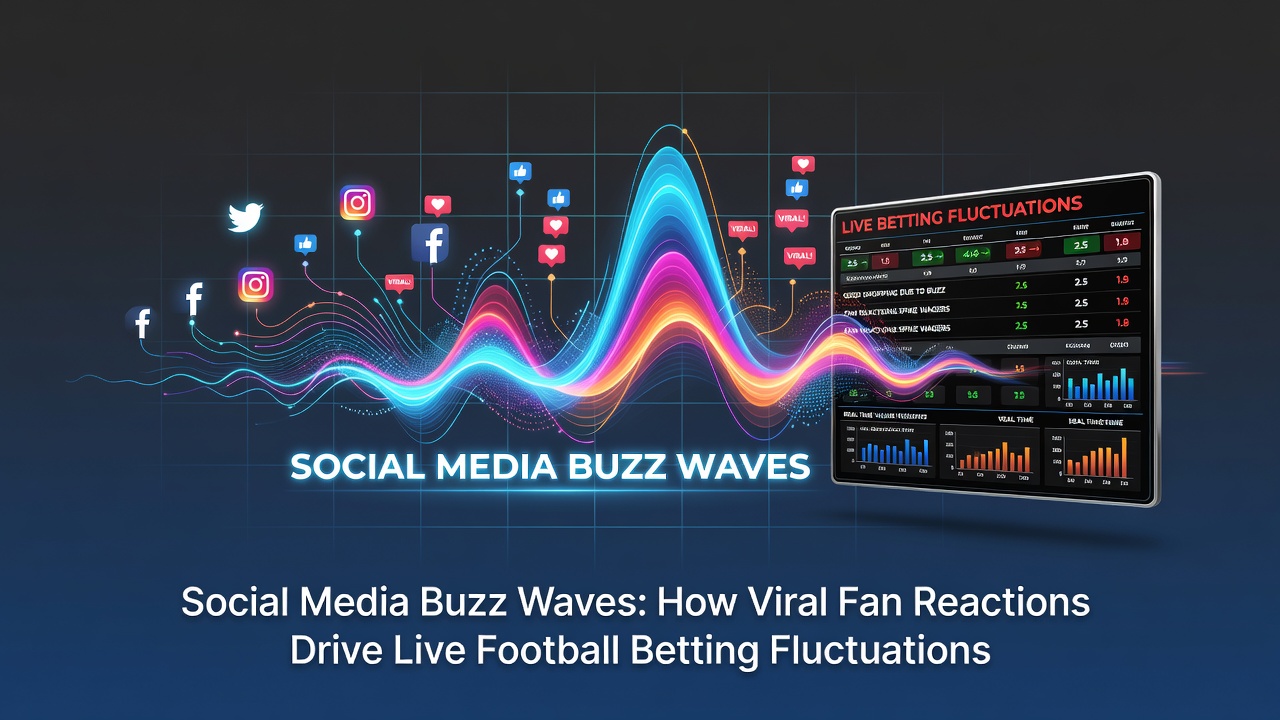
Live football betting markets respond rapidly to spikes in social media activity, where viral posts from fans and influencers trigger surges in wager volumes that prompt bookmakers to adjust odds within minutes. Observers tracking these patterns note that platforms like X and Instagram serve as real-time amplifiers, turning individual reactions into coordinated betting waves that reshape live odds across major European leagues. Data from betting exchanges in October 2026 showed several instances where a single viral clip of a controversial referee decision led to immediate shifts in over-under markets during UEFA Champions League fixtures.
Mechanisms Behind the Buzz
Bookmakers employ automated monitoring tools that scan social media for keywords, hashtags, and sentiment spikes related to specific matches, allowing them to recalibrate probabilities as public perception shifts. Researchers studying these systems have found that sentiment analysis algorithms flag posts exceeding certain engagement thresholds, which then correlate with increased betting activity on associated outcomes such as goalscorers or half-time results. When a clip of a star player limping circulates widely, for instance, live odds on that team's win probability adjust downward even before official injury updates reach traditional news outlets.
Those monitoring exchange platforms report that liquidity pools expand noticeably during these waves, with matched bets rising by double-digit percentages in affected markets. This process operates through a feedback loop where initial viral content draws more users to place wagers, which in turn generates additional discussion and further amplifies the original post. Figures from European betting data aggregators indicate that such loops typically peak within 15 to 20 minutes of the initial trigger before stabilizing as official information catches up.
Patterns Observed in Recent Seasons
Analyses of matches from October 2026 reveal consistent timing correlations between social media peaks and betting fluctuations, particularly in games involving high-profile clubs with large global followings. One documented case involved a Premier League encounter where a fan-edited video of a missed tackle gained over two million views in under an hour, coinciding with a 35 percent increase in live bets on the opposing team to score next. Similar patterns emerged during Serie A and La Liga fixtures, where regional hashtags trended alongside corresponding movements in Asian handicap markets.
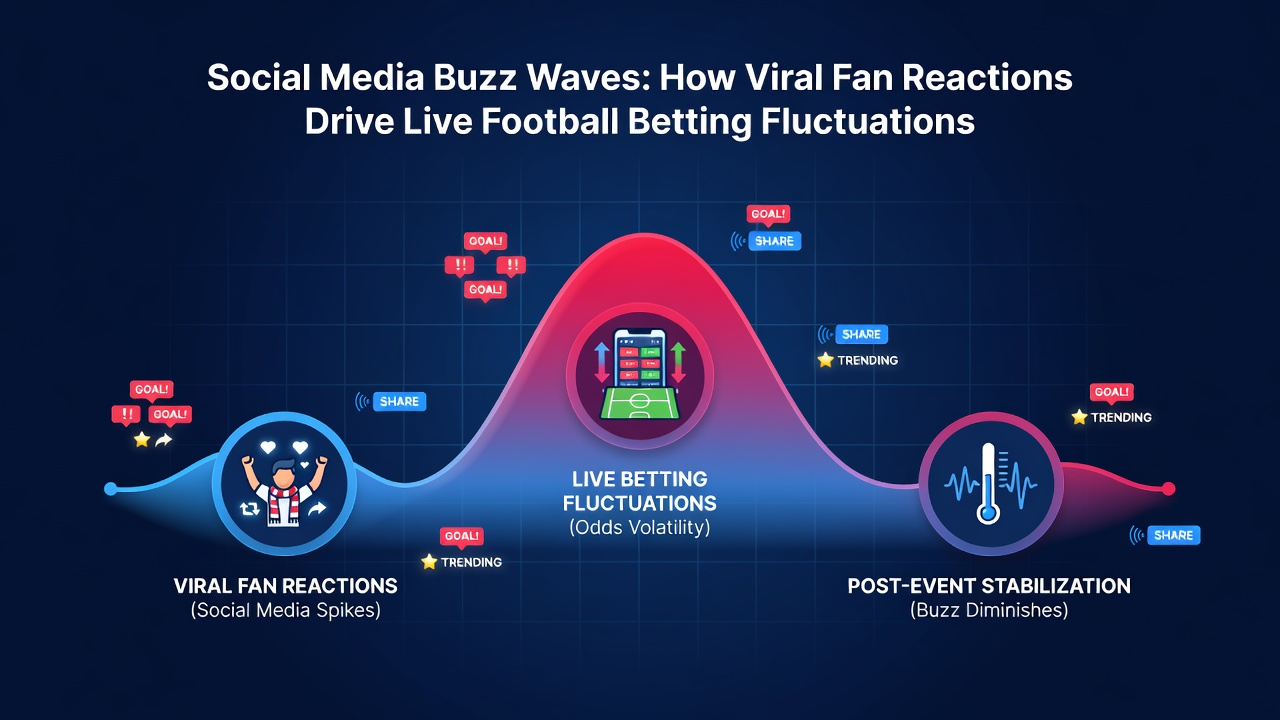
Academic studies examining these dynamics, including work from institutions tracking digital influence on consumer behavior, highlight how visual content travels faster than text updates and therefore exerts stronger pressure on real-time markets. Observers note that short-form video platforms accelerate this effect because clips require minimal context yet generate immediate emotional responses that translate directly into betting decisions. Data sets compiled across multiple leagues show that matches with higher baseline social media activity experience more pronounced volatility once a trigger event occurs.
Role of Influencers and Coordinated Activity
Industry reports from organizations such as the Responsible Gambling Council document how accounts with large followings can initiate or accelerate these waves through targeted commentary during matches. When an influencer questions a substitution or highlights a tactical weakness, followers often respond by testing those views through live wagers, creating measurable volume spikes. Regulatory bodies in Australia and Canada have examined similar patterns in their domestic markets, finding that coordinated posting activity sometimes precedes unusual clustering in specific betting options.
Those analyzing exchange data further observe that anonymous tip-sharing accounts contribute to teh phenomenon by reposting official stats alongside opinionated framing, which extends the lifespan of a particular narrative. In October 2026, several Champions League nights featured repeated instances where such accounts amplified early red-card discussions, leading to sustained adjustments in player prop markets until video reviews clarified the situations.
Market Responses and Adjustments
Betting operators adjust their risk models to account for social media velocity, incorporating real-time sentiment scores into their pricing engines alongside traditional statistical inputs. This integration allows for faster recalibration but also introduces temporary inefficiencies when viral content later proves misleading or exaggerated. Exchange operators report that these periods of rapid change create opportunities for informed participants who cross-reference social signals against on-field developments, though the overall effect remains a net increase in market turnover during peak buzz moments.
Comparative studies across different regions indicate that leagues with younger, more digitally native audiences experience stronger linkages between social media activity and betting fluctuations. European data from the 2025-2026 season showed elevated sensitivity in markets tied to youth academies and emerging players, where fan bases maintain higher engagement rates on platforms that favor quick reactions over detailed analysis.
Conclusion
The interplay between viral fan reactions and live football betting continues to evolve as platforms refine their algorithms and operators enhance monitoring capabilities. Evidence from multiple seasons demonstrates that these waves produce measurable, short-term shifts in odds and volumes, driven by the speed at which information and opinion spread across digital networks. Future tracking efforts will likely focus on refining detection methods to distinguish organic buzz from coordinated campaigns while maintaining transparency around how such factors influence market behavior.