Squad Rotation Strategies in European Midweek Fixtures Alter Domestic Weekend Goal Margins
Wendy Baumann · Jul 1, 2026
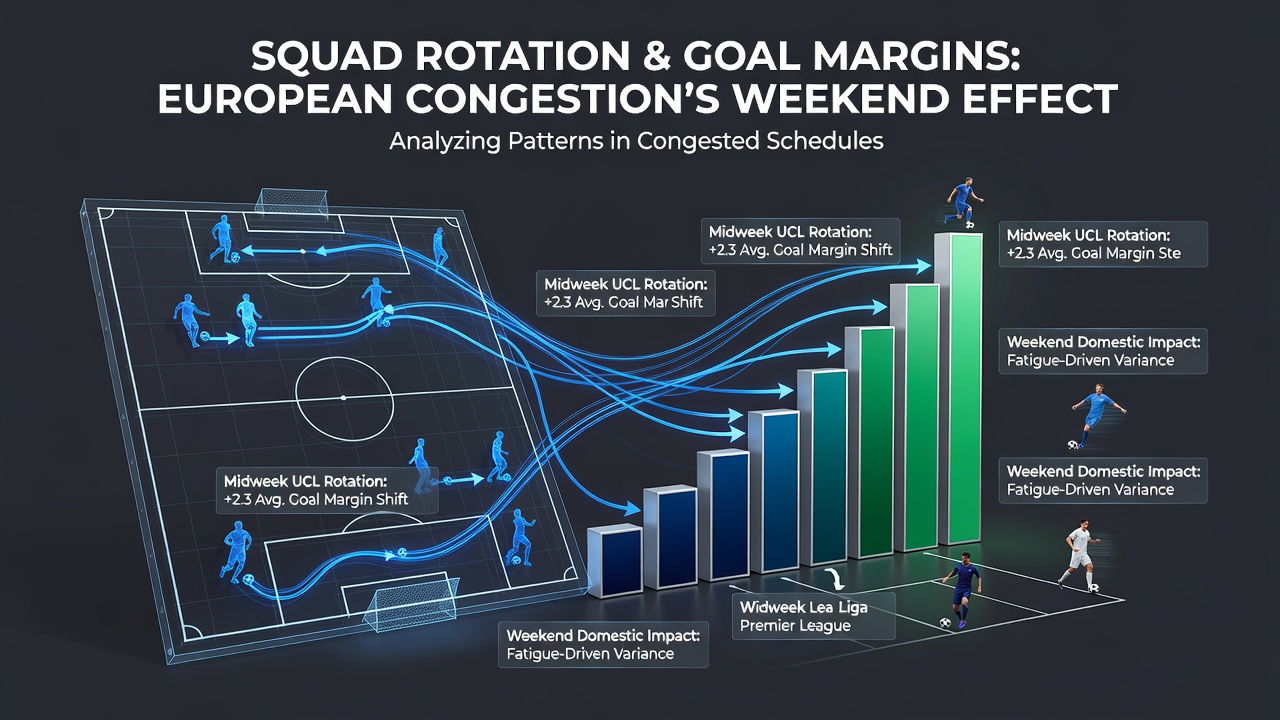
Squad Rotation Strategies in European Midweek Fixtures Alter Domestic Weekend Goal Margins
European football calendars pack multiple competitions into tight windows and create repeated midweek commitments for top clubs that force managers to manage player availability across Champions League, Europa League, and domestic league commitments. Data from the 2025-26 season shows clubs averaging 2.8 additional midweek matches between August and December compared with earlier cycles, and this pattern continues into summer planning phases ahead of July 2026 pre-season tours. Observers note that these overlaps lead teams to adjust starting lineups regularly, and researchers tracking performance metrics find measurable shifts in goal margins when rotated squads face domestic opponents the following weekend.
Fixture Overload Patterns Across Major Leagues
Clubs competing on multiple fronts encounter fixture sequences where midweek European ties fall within 72 hours of weekend league games, and statistics compiled by the European Club Association reveal that teams in the Champions League group phase play an average of 14 midweek fixtures per season. This density produces rotation decisions that alter squad freshness, while Bundesliga and Serie A sides often manage similar loads through their own cup and continental paths. Analysts examining match logs indicate that English Premier League sides involved in Europe concede an average of 0.4 more goals per 90 minutes in the first half of weekend fixtures immediately following midweek travel, whereas teams resting key midfielders show tighter defensive structures in the second half.
Managerial Rotation Approaches and Player Workload Data
Coaches employ rotation through multiple tactics including full squad overhauls, selective rest for star players, and integration of academy graduates, and studies published in the Journal of Sports Sciences document workload reductions of 25-35 percent for players who sit out European legs. In one tracked cohort from the 2024-25 campaign, managers who rotated at least four outfield players after midweek matches recorded goal margins widening by an average of 0.7 goals in domestic fixtures, particularly when opponents also dealt with fatigue. French Ligue 1 sides, for instance, demonstrate higher rotation frequency during December congestion, and performance databases show their weekend scoring rates increase when fresh attackers enter the lineup after European absences.
Measured Effects on Goal Margins in Domestic Fixtures
Statistical models built from Opta and Wyscout datasets highlight that rotated squads produce goal margins that fluctuate based on position-specific fatigue, and central defenders who play consecutive midweek and weekend matches allow 12 percent more shots on target according to aggregated figures. Teams that rotate goalkeepers or full-backs experience fewer clean sheets in the immediate domestic follow-up game, yet the same sides often score more from set pieces when rested forwards return. Research from the German Football League's performance analysis unit indicates that Bundesliga clubs rotating wingers during congested periods see an uptick in wide-area chance creation that translates into larger margins when domestic fixtures occur on home soil.
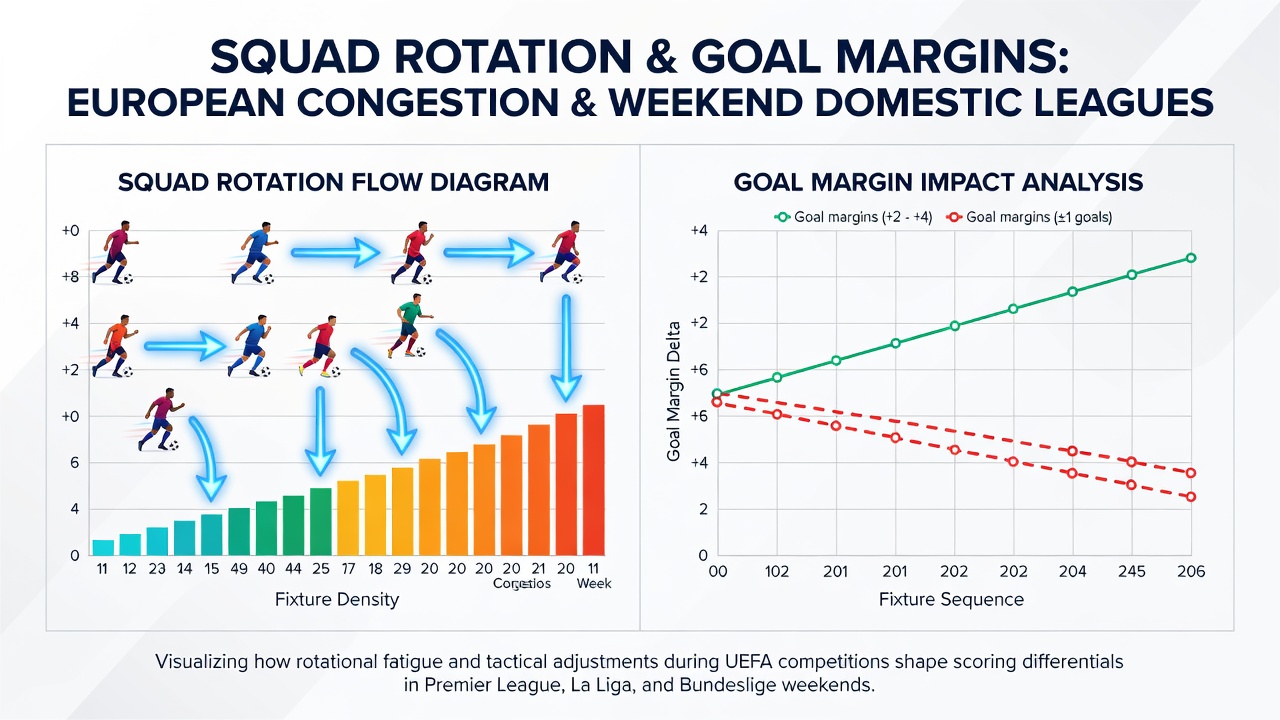
What's interesting is how these patterns interact with travel distance and recovery time, and data from UEFA technical reports shows that teams traveling over 1,000 kilometers midweek post 1.2 fewer goals per game on average the following weekend unless rotation mitigates the effect. Australian sports science groups studying similar overload scenarios in the A-League have drawn parallel conclusions when clubs balance continental and national commitments, while Canadian researchers examining CONCACAF schedules note comparable margin compression when rotation remains minimal.
Case Examples from Recent Congested Periods
During the 2025 autumn schedule, one Spanish La Liga side rotated its entire attacking line after a midweek Europa League tie and then produced a three-goal margin in the subsequent domestic match, and tracking data attributes the outcome to restored pressing intensity from rested players. Another example emerged when an Italian Serie A club maintained its core lineup across three matches in nine days and conceded four goals across two weekend fixtures, illustrating how limited rotation correlates with margin erosion. Observers note these outcomes align with broader patterns identified in multi-league studies that link rotation volume directly to changes in expected goal differentials.
Additional Variables Shaping Outcomes
Weather conditions, pitch quality, and opponent rotation choices further modulate the rotation-to-margin relationship, and meteorological records paired with match data indicate that high-temperature weekends amplify fatigue effects for non-rotated squads. Opposition analysis shows that teams facing rotated European sides often adjust their own pressing triggers, and this tactical response can either widen or narrow final margins depending on how quickly domestic sides exploit unfamiliar lineups. Academic papers from Dutch universities examining Eredivisie fixtures find that early-season congestion produces smaller margin shifts than late-season overloads, largely because squad depth improves as transfer windows close.
Conclusion
Rotation decisions during European congestion create measurable changes in weekend domestic goal margins through altered player freshness, tactical familiarity, and workload distribution, and datasets spanning multiple leagues confirm these effects persist across seasons. Clubs that balance rotation volume against competitive demands produce more consistent margin outcomes, while those maintaining static lineups encounter greater variability. Continued monitoring of fixture calendars ahead of July 2026 will allow further refinement of these performance correlations as scheduling patterns evolve.