The Ripple Effects of Managerial Press Conferences on Pre-Match Odds Movements
Ines Hughes · Aug 15, 2026
The Ripple Effects of Managerial Press Conferences on Pre-Match Odds Movements
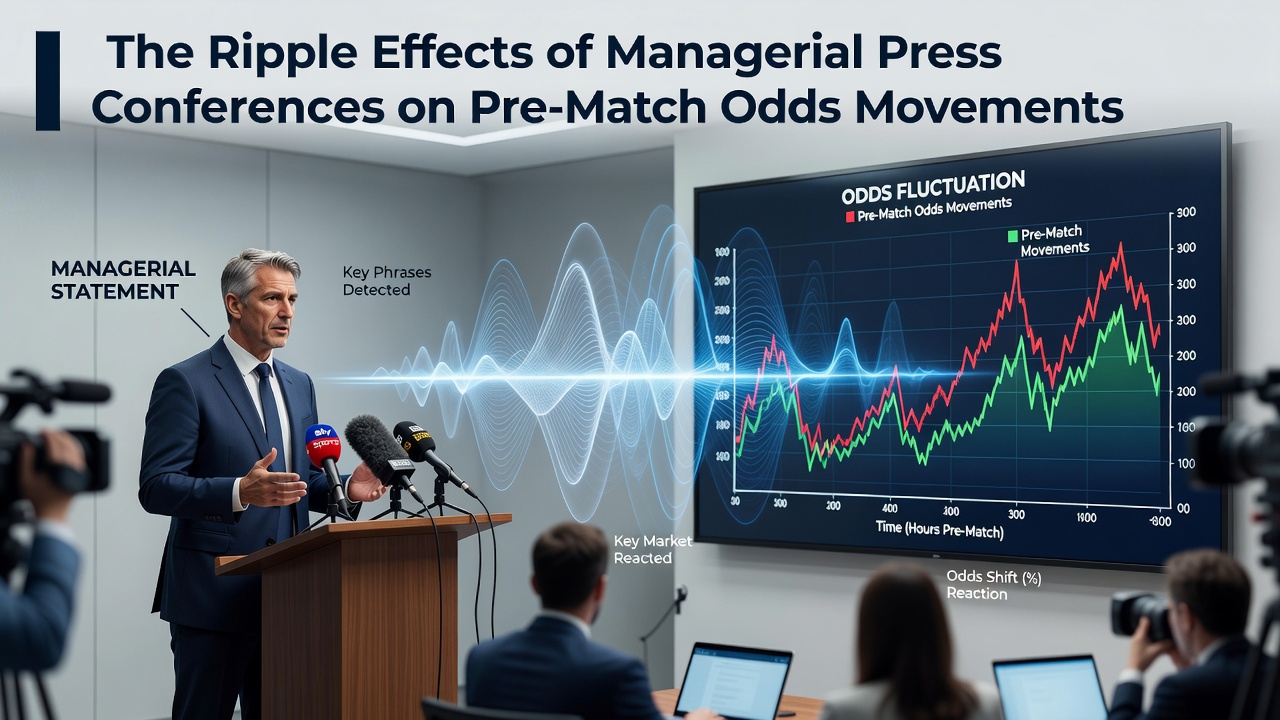
Managerial press conferences have become a scheduled fixture in the football calendar, and they often trigger measurable shifts in pre-match betting markets across major European leagues. These sessions, typically held one or two days before kickoff, deliver team news, injury updates, and tactical hints that bookmakers and bettors monitor closely for pricing adjustments. Data from betting exchanges shows that odds can move within minutes of key disclosures, particularly when a manager confirms or rules out a star player's involvement.
Timing and Market Sensitivity
Press conferences usually occur in the afternoon or early evening, which aligns with periods when liquidity in betting markets rises ahead of the weekend fixtures. Observers note that the first thirty minutes after a manager speaks often produce the sharpest movements because syndicates and professional traders react immediately to fresh information. In August 2026, as the new domestic seasons opened across England, Spain, and Germany, several high-profile clubs saw their match odds fluctuate by as much as 0.25 in decimal terms following routine briefings about squad rotation.
Bookmakers maintain dedicated teams that transcribe and analyse every comment, cross-referencing statements against previous patterns. When a manager uses phrases such as "we will assess fitness in the morning" about a key forward, markets frequently interpret the language as a signal of elevated risk and shorten the opposing team's price accordingly. Those who study these sequences point out that the effect compounds when multiple managers speak on the same day, creating correlated movements across several fixtures simultaneously.
Information That Moves Lines
Injury confirmations remain the most direct catalyst for odds changes, yet subtler details also register. Comments about formation switches, player roles within the team, or even the referee's recent disciplinary record can prompt adjustments in over/under totals and handicap markets. Researchers at academic institutions tracking European football data have documented that statements regarding weather or pitch conditions during these briefings produce smaller but statistically significant ripples in goal expectancy models used by sharp bettors.
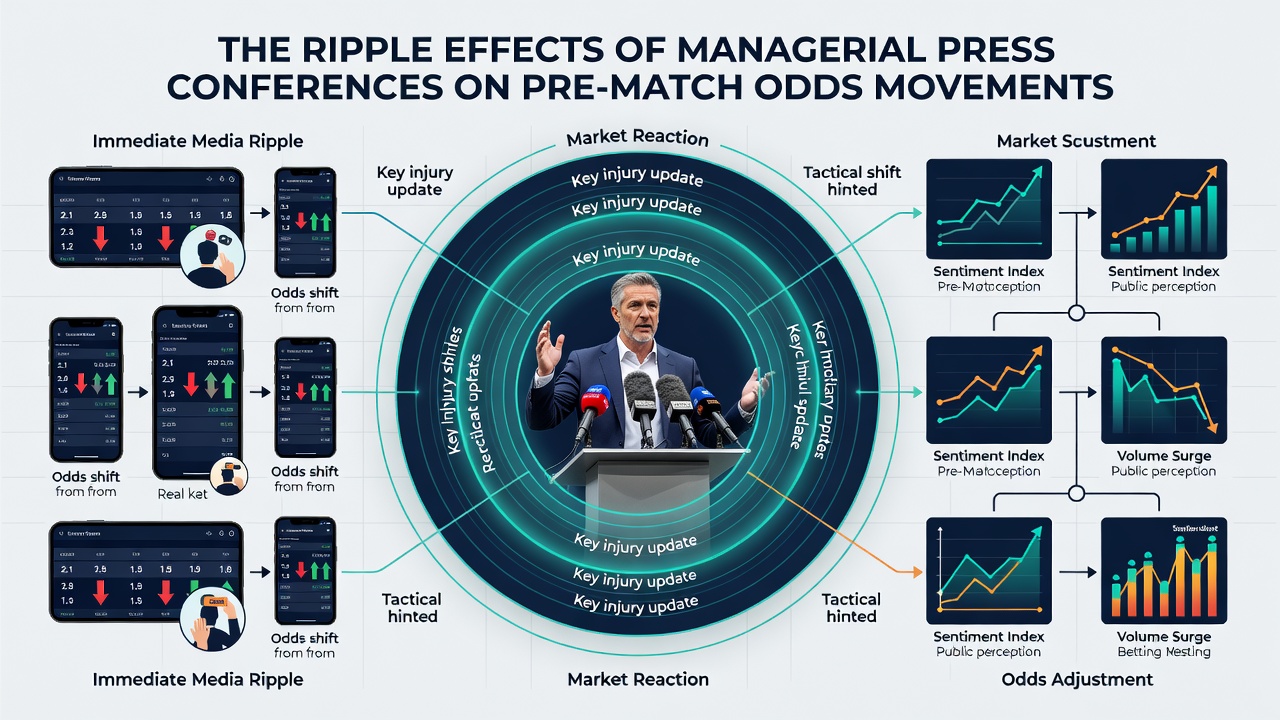
One documented case involved a Bundesliga side whose manager revealed during a midweek media session that two central defenders would miss the upcoming match due to illness. Within ninety minutes the total goals line moved from 2.75 to 3.0, while the away win price shortened by 0.15. Similar patterns appeared in Ligue 1 when a coach discussed fatigue management for a congested schedule, prompting increased volume on the over-2.5 goals selection in that fixture.
Regional Differences in Response
Markets in different territories react at varying speeds because regulatory frameworks and liquidity levels differ. Australian wagering operators, for instance, often adjust their lines faster than some European counterparts when English Premier League press conferences conclude, according to figures compiled by the Australian Communications and Media Authority. In contrast, North American sportsbooks tied to major leagues have begun integrating automated monitoring tools that flag keyword triggers from translated transcripts, reducing the window between disclosure and price change.
Industry groups such as the European Gaming and Betting Association have highlighted how these rapid adjustments improve market efficiency yet also increase the importance of accurate information sourcing for recreational participants. The association's reports note that clubs with more transparent communication policies tend to generate steadier pre-match pricing compared with those whose managers deliver cryptic or contradictory updates.
Patterns Across Multiple Seasons
Longitudinal analysis of odds movement data reveals recurring sequences tied to specific managerial styles. Coaches known for detailed tactical explanations produce more frequent adjustments in Asian handicap markets, while those who focus on motivational language tend to influence draw prices more noticeably. In the opening weeks of the 2026 campaign, several Serie A fixtures demonstrated this divergence, with one club's line moving twice in a single afternoon after successive clarifications emerged from separate press events.
Traders at betting firms also track historical correlations between press conference sentiment and subsequent results, feeding these into proprietary models. The resulting adjustments appear in both outright match prices and derivative markets such as player shots on target or corners. Observers tracking these flows report that the cumulative effect across a full matchweek can exceed the impact of early team news released through official club channels alone.
Conclusion
Managerial press conferences function as predictable information events that interact directly with pre-match betting markets, producing measurable odds movements when new details surface. The scale of these shifts depends on timing, the specificity of comments, and the liquidity available in each jurisdiction. As monitoring technology advances and data sets grow, the connection between these briefings and market pricing continues to tighten across major competitions.