Weather Patterns Reshaping Line Adjustments in Copa Libertadores Markets
Wendy Baumann · Aug 26, 2026
Weather Patterns Reshaping Line Adjustments in Copa Libertadores Markets
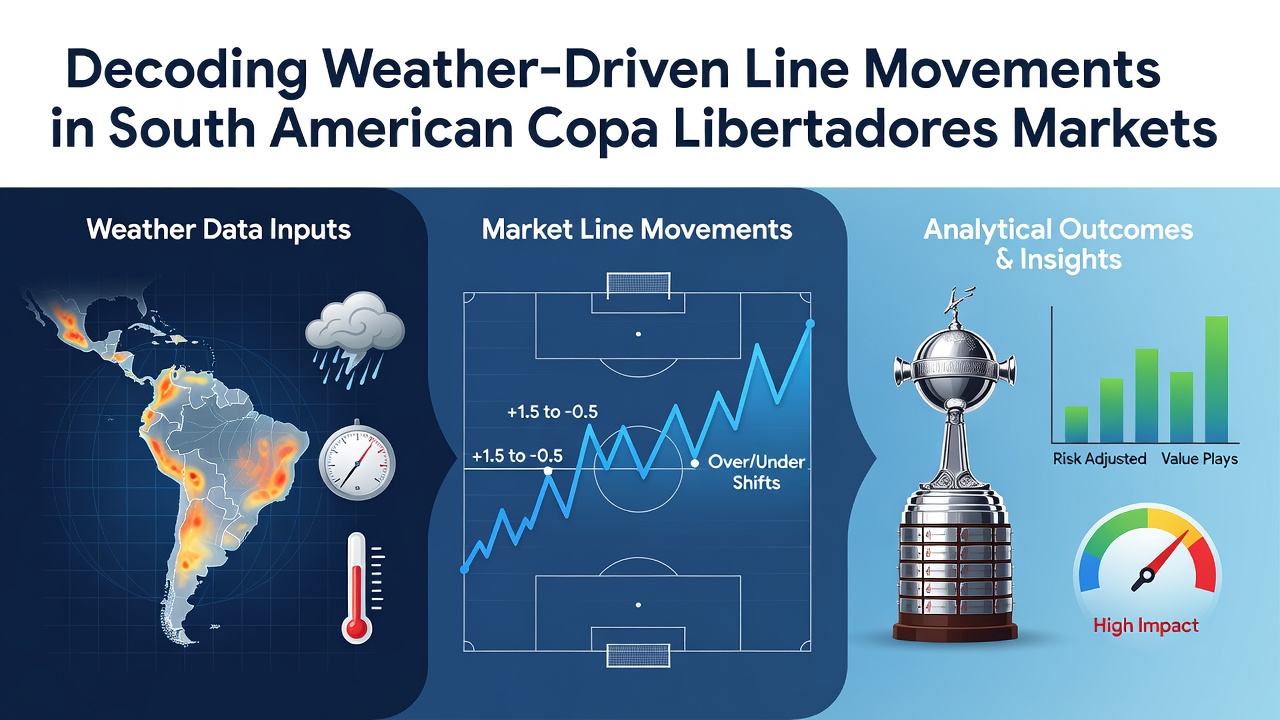
Weather conditions across South America create distinct variables that influence how betting lines move in Copa Libertadores fixtures, and observers note consistent patterns tied to regional climate differences. Matches span coastal humidity in Brazil, high-altitude dryness in Bolivia, and sudden rains in Argentina, each altering pitch speed, player stamina, and ultimately the odds offered by bookmakers. Data from recent tournaments shows line shifts often accelerate when forecasts update within 48 hours of kickoff, particularly in group-stage games scheduled for August 2026 when the competition enters its later knockout phases amid variable winter weather in the southern hemisphere.
Regional Climate Variations and Their Direct Effects
Teams traveling between climates face measurable performance dips that markets incorporate into pre-match and live lines, while data indicates these adjustments occur faster in venues like La Paz where oxygen levels already strain visiting squads. Researchers tracking historical fixtures found that heavy rainfall in Brazilian stadiums correlates with fewer total goals, prompting books to shade under totals by half a goal within hours of updated precipitation reports. In contrast, clear high-altitude days in Andean cities produce sharper over movements because thinner air favors teams accustomed to the conditions, and those who've studied match logs see average goal tallies rise by 0.4 in such settings.
Forecast Timing and Line Volatility
Bookmakers monitor meteorological updates closely, and figures reveal line movements intensify when official weather services release revised models 24 to 36 hours before matches. A study covering five seasons of Libertadores data linked sudden wind forecasts above 30 km/h to increased variance in corner markets, as gusts disrupt set-piece delivery and push totals lower. Observers note that coastal venues experience rapid humidity spikes during afternoon games, which slow ball roll and favor defensive setups, resulting in earlier under bets from sharp money. These shifts compound when one team arrives from a contrasting climate zone, creating layered information that markets absorb through incremental odds tweaks rather than single dramatic jumps.
Historical Case Patterns Across Venues
Take fixtures hosted at high-elevation Bolivian grounds during the 2024 group stage where pre-match totals opened at 2.5 yet closed at 2.0 after dry, windy forecasts emerged, and similar movements repeated in 2025 when comparable conditions returned. Argentine venues show the opposite tendency during unexpected evening showers, with over lines drifting upward as pitch conditions favor teams that press high and create turnovers in wet areas. Data indicates these venue-specific reactions hold across multiple campaigns, allowing those monitoring weather feeds to anticipate when books will adjust totals or handicap margins ahead of public reaction.
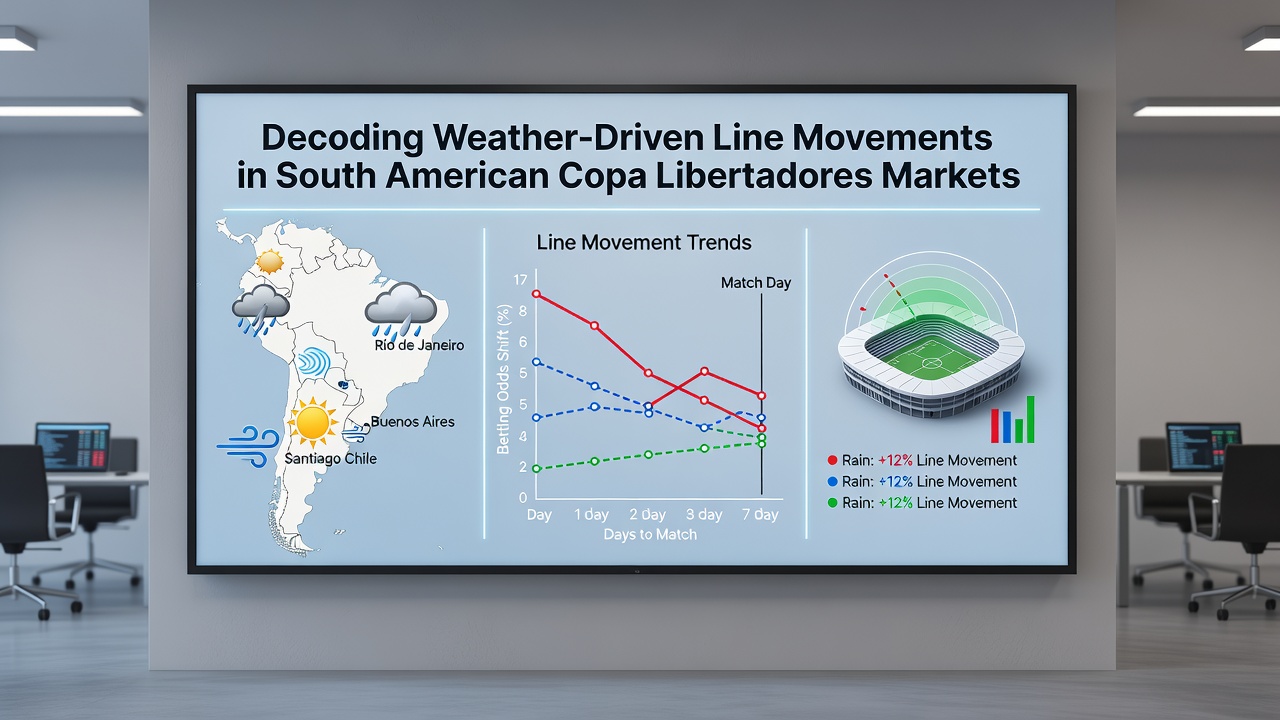
August 2026 schedules place several knockout ties in regions prone to early spring storms, and records from prior years demonstrate that such timing amplifies line volatility because forecast accuracy decreases further out. Markets respond by widening spreads temporarily until more reliable data arrives, creating windows where informed bettors identify discrepancies between initial lines and updated climate projections.
Data Sources and Market Integration
According to analyses published by the South American Football Confederation, travel across climate zones increases fatigue markers by measurable percentages, which betting operators factor into player prop markets and team totals. CONMEBOL reports highlight how pitch maintenance standards vary by weather, further influencing possession statistics that feed into over-under calculations. Separate findings from Australian meteorological research applied to South American conditions show that humidity thresholds above 70 percent reduce sprint distances by up to 8 percent, a metric that correlates with lower goal outputs and corresponding line drifts in live markets.
Live Betting Implications During Matches
Once games begin, in-play adjustments accelerate when unexpected weather developments occur, such as sudden downpours that change ball behavior mid-half. Records indicate corner and card markets move most dramatically under these circumstances because referees alter their interpretation of sliding challenges on slick surfaces. Those tracking historical live data observe that weather-triggered pauses allow sharper syndicates to reposition bets before lines stabilize, particularly in matches where one side adapts quicker to altered conditions.
Conclusion
Weather remains an embedded factor in how Copa Libertadores lines evolve, with regional climate differences producing repeatable patterns across seasons. Markets integrate forecast updates systematically, and data shows these integrations create identifiable movement windows for totals, handicaps, and props. Observers following both meteorological reports and historical venue trends continue to document how these elements intersect during the 2026 campaign, especially as knockout fixtures unfold under shifting southern hemisphere conditions.